


The Asian Scientist 100
Can Li

Institution
University of Hong Kong
Country
Hong Kong
Field
Engineering
Li is a recipient of the 2023 Croucher Tak Wah Mak Innovation Award for his research exploring the limitations of digital computers in performing tasks accomplished by the human brain, including recognising faces, reasoning based on vague information, and learning from experience.
(Photo: University of Hong Kong)
AWARDS
- 2023 Croucher Tak Wah Mak Innovation Award
Related articles
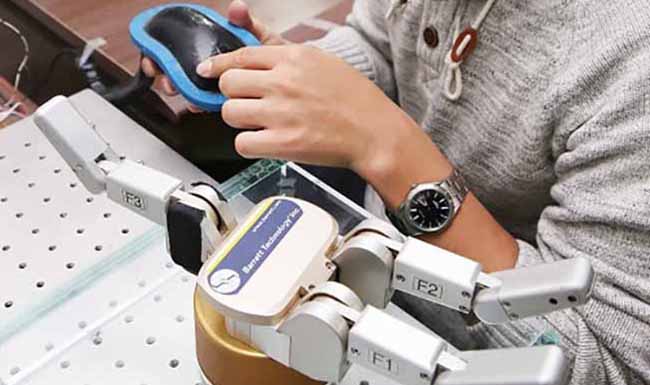
Giving Robots A Sense Of Touch
Researchers in South Korea have used silicon and carbon nanotubes to make tactile sensors that could serve as robot skin.

Gecko-Inspired Adhesive Sticks And Releases On Command
Scientists have developed a method to integrate nanostructured hydrogel fibers on an inorganic membrane to mimick the gecko's sticking and detaching mechanism.

New Appetite-Regulating Hormone Found
A hormone called NPGL could explain why we sometimes do not lose weight even when we change our diets.

For Java Sparrows, Songs Are Less Important Than Dance
Unlike other songbirds, Java sparrows choose their mates based on their dancing rather than singing abilities.

KAIST Nanosatellite Launched On Trip To The International Space Station
The nanosatellite called LINK is one of the 28 satellites aboard the Atlas V booster en route to the International Space Station.
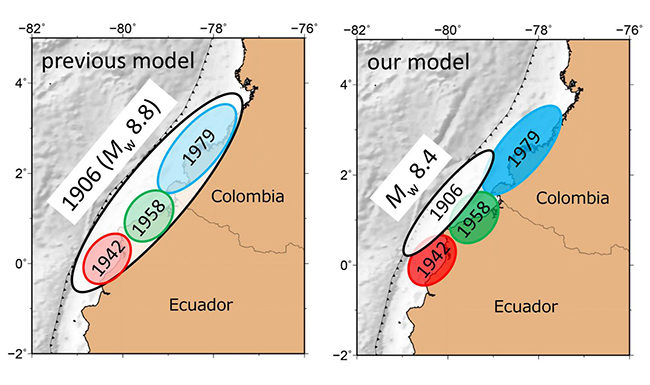
What The Past Can Tell Us About Future Earthquakes
A new model based on historical earthquake data explores the potential of predicting major earthquakes.
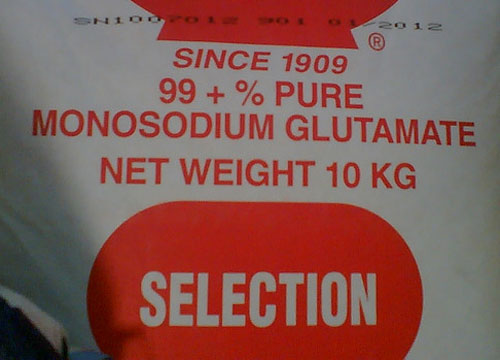
The Link Between MSG, Obesity And Fatty Liver
Scientists have found that MSG consumption leads to obesity in mice which cannot be reduced by calorie restriction.

Drinking Caffeine (In Moderation!) May Support A Healthy Liver
To all the caffeine lovers of the world, researchers at Duke-NUS Graduate Medical School may have some good news for you.

HK Study Finds Link Between Fatty Liver And Colorectal Polyps
Hong Kong researchers have found a close link between non-alcoholic fatty liver disease and colorectal polyps in middle aged patients, and call for earlier polyp-screening in such patients.