


The Asian Scientist 100
Can Li

Institution
University of Hong Kong
Country
Hong Kong
Field
Engineering
Li is a recipient of the 2023 Croucher Tak Wah Mak Innovation Award for his research exploring the limitations of digital computers in performing tasks accomplished by the human brain, including recognising faces, reasoning based on vague information, and learning from experience.
(Photo: University of Hong Kong)
AWARDS
- 2023 Croucher Tak Wah Mak Innovation Award
Related articles

Making Things Acoustically Invisible Underwater
A team of Chinese researchers has designed an acoustic cloak that can hide objects underwater.

Extending The Range Of Diseases Covered By A Rice-Based Vaccine
Astellas and the Institute of Medical Science at the University of Tokyo are expanding the range of diseases that can be covered by their rice-based oral vaccine, MucoRice.

A Substance That Stops Narcoleptic Mice From Falling Asleep
Scientists are working on a drug based on a compound named YNT-185 that would keep narcolepsy and other sleep disorders at bay.

The Diamond Standard Of True Randomness
Scientists have shown that shining light through a diamond can generate intrinsically random single-photon emissions.
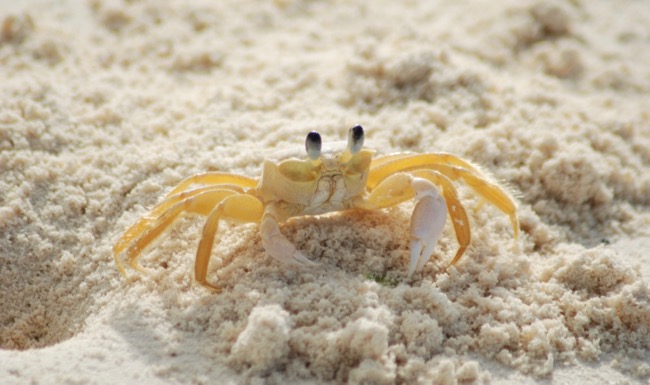
A Crabby Solution To Malaria
A mixture of silver nanoparticles and chitin from the shells of crabs can inhibit the growth of malaria-carrying mosquito larvae, study shows.

Squid Say It With Skin
The artistic oval squid uses its changing skin pattern to communicate with both lovers and competitors in the fight for mating rights.

Breaking Through The Energy Conversion Efficiency Barrier
Researchers at Kobe University have designed a solar cell that is a hundred times more effective at preventing energy loss than previous methods.

Deleting Enzymes Takes The Edge Off Septic Shock
Inhibiting IPMK enzymes could help dampen the overexuberant immune response during sepsis, a leading cause of death from infections.

Newly Discovered Dinosaur Species Puts Spotlight On The Evolution Of Flight
The newly discovered dinosaur species from China had asymmetrical feathers that resemble those of modern-day flying birds.