


The Asian Scientist 100
Can Li

Institution
University of Hong Kong
Country
Hong Kong
Field
Engineering
Li is a recipient of the 2023 Croucher Tak Wah Mak Innovation Award for his research exploring the limitations of digital computers in performing tasks accomplished by the human brain, including recognising faces, reasoning based on vague information, and learning from experience.
(Photo: University of Hong Kong)
AWARDS
- 2023 Croucher Tak Wah Mak Innovation Award
Related articles

How The Liver Gets Rid Of Excess Bile
Using a cell culture system that mimics the structure of actual livers, scientists now understand how excess bile is removed from blocked ducts in the liver.
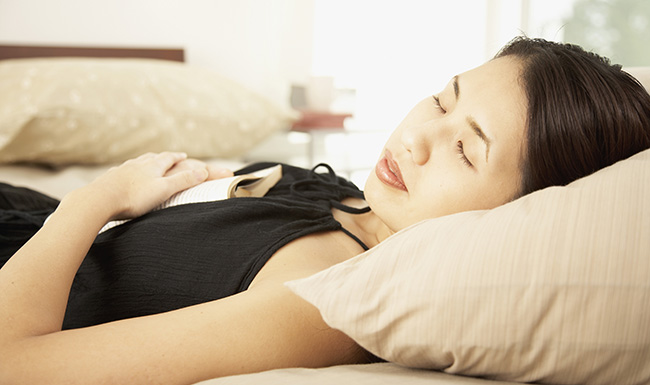
The Neural Link Between Anxiety And Sleep
Activating neurons in a region of the brain linked to fear and anxiety can cause mice to wake up from non-rapid eye movement sleep.

Inducing Labor Safely And Effectively
Using misoprostol rather than a catheter to induce labor is not only safer for women with pregnancy complications but also slightly more effective.

iCarbonX Joins HealthLoop’s US$8.4 Million Series B Round
The participation of iCarbonX brings the total Series B investment in HealthLoop’s patient-engagement platform to US$8.4 million.
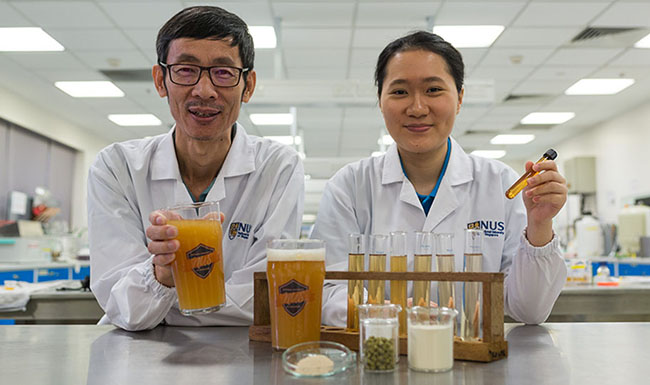
Bacteria In Your Beer For A Happy Belly
Researchers in Singapore have patented a recipe for probiotic beer that not only tastes good but is also is good for gut health.

Amino Acid Boosts The Effectiveness Of Brain Cancer Therapy
By adding the highly abundant amino acid taurine to a photosensitizer, researchers have boosted its cancer-killing capabilities.

Mammals Use RNA Interference Too
Like plants and invertebrates, mammalian cells also use RNA interference to protect themselves against viral infections.

In A Changing Climate, Species Tend To Go With The Flow
Species expanded their range faster and kept track of climate better when ocean currents matched the direction of warming, a new study suggests.

Serotonin Makes ‘Autistic’ Mice More Sociable
Serotonin, the ‘feel-good neurotransmitter’, has been shown to improve sociability in a mouse model of autism.