


The Asian Scientist 100
Can Li

Institution
University of Hong Kong
Country
Hong Kong
Field
Engineering
Li is a recipient of the 2023 Croucher Tak Wah Mak Innovation Award for his research exploring the limitations of digital computers in performing tasks accomplished by the human brain, including recognising faces, reasoning based on vague information, and learning from experience.
(Photo: University of Hong Kong)
AWARDS
- 2023 Croucher Tak Wah Mak Innovation Award
Related articles

East Asian Dust Storms Linked To Algal Blooms
Dust storms like the one that hit China in 2010 dump iron into the oceans, sparking massive algal blooms.

92% Of People Live Where Air Pollution Is Dangerously High
90 percent of air pollution-related deaths occur in low- and middle-income countries, with nearly two out of three occurring in WHO’s Southeast Asia and Western Pacific regions.

Hepatitis B Treatment Prevents Liver Cancer
Scientists in Hong Kong have confirmed that hepatitis B treatment can reduce the rates of liver cancer and urge infected individuals to seek continued treatment.

Is The Earth Heating Up? Ask The Oceans
Measuring how much heat stored in the oceans is a faster way of tracking global warming, scientists say.

Wearable Solar Cells That You Can Put In The Wash
Scientists have developed an ultra-thin solar cell that can continue to provide electricity even after being soaked in water or being stretched and compressed.

Reducing The Environmental Impact Of Leather Production
Researchers in India have used molten salt to treat leather and reduce its pollution profile.

Getting To The Root Of Bonsai Regeneration
Scientists in Japan have identified a gene that controls the levels of auxin in response to root damage.

Meat Lovers May Be At Higher Risk Of Diabetes
Eating more red meat and poultry increases the risk of diabetes, partially due to the higher iron content in these meats.
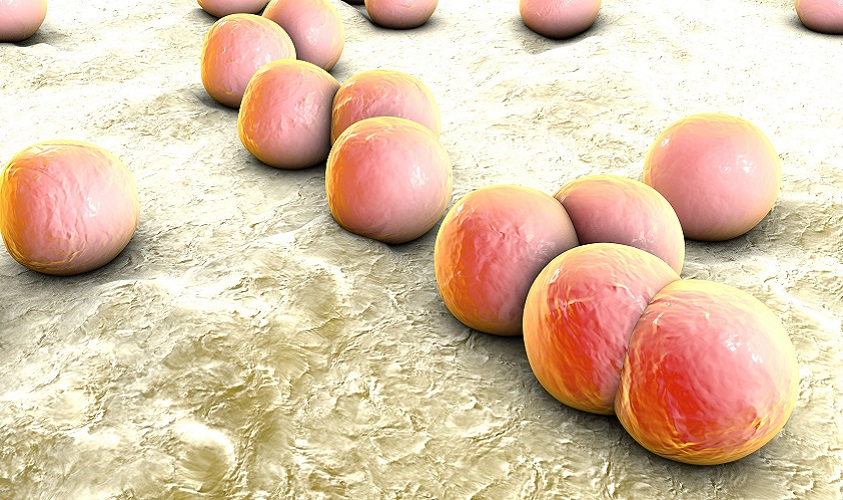
A Non-Antibiotic Drug To Fight MRSA
By screening 50,000 compounds, scientists have discovered a non-antibiotic drug that makes multidrug-resistant bacteria more vulnerable to immune clearance.