


The Asian Scientist 100
Can Li

Institution
University of Hong Kong
Country
Hong Kong
Field
Engineering
Li is a recipient of the 2023 Croucher Tak Wah Mak Innovation Award for his research exploring the limitations of digital computers in performing tasks accomplished by the human brain, including recognising faces, reasoning based on vague information, and learning from experience.
(Photo: University of Hong Kong)
AWARDS
- 2023 Croucher Tak Wah Mak Innovation Award
Related articles

How Black Carbon Aerosols Evolve During Combustion
Scientists in China, in collaboration with researchers in Japan, have analyzed how black carbon aerosols change in number and size during combustion.

Mum’s Antibodies Interfere With Baby’s Dengue Response
Antibodies from mice vaccinated with one strain of dengue virus while pregnant have been found to worsen symptoms in their pups infected with other strains.

What You Need To Know About Dengvaxia, Sanofi Pasteur’s Dengue Vaccine
Dr. Ng Su-Peing, global medical head of Sanofi Pasteur, explains how Dengvaxia can address the burden of dengue around the world.

The Philippines Pauses Dengue Vaccine Program
New findings indicate that vaccination could lead to more severe disease in people who have never had a prior dengue infection.

To Roll Out Or Not To Roll Out Dengue Vaccines? It’s Complicated
It is possible that in certain settings, routine dengue vaccination may actually increase the incidence of severe dengue—and thus the numbers hospitalized due to the disease.
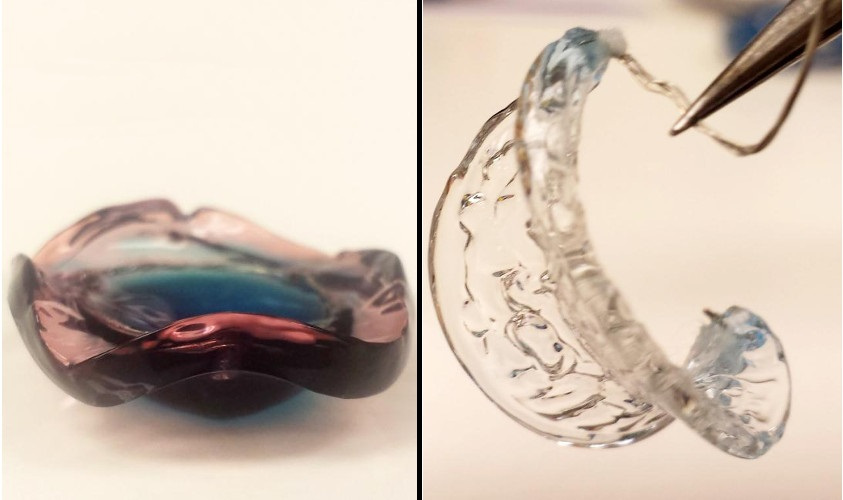
Hydrogels That Grow Like Living Tissues
A team of researchers in Singapore and the US have created hydrogels that grow like biological tissues.

How Genetic Insults Affect Mental Health
Research has shed light on how a molecule called disrupted-in-schizophrenia 1 is linked to a wide range of psychiatric disorders.

Epigenetics Explains Autoimmune Disease In Twins
In identical twins, epigenetics has a role to play in determining susceptibility to autoimmune disease, according to a study by Japanese researchers.

Mapping Urban Infrastructure In 3D
Scientists are developing a software that uses information from laser scanner survey technologies and photography to construct 3D virtual models of infrastructure.