


The Asian Scientist 100
Can Li

Institution
University of Hong Kong
Country
Hong Kong
Field
Engineering
Li is a recipient of the 2023 Croucher Tak Wah Mak Innovation Award for his research exploring the limitations of digital computers in performing tasks accomplished by the human brain, including recognising faces, reasoning based on vague information, and learning from experience.
(Photo: University of Hong Kong)
AWARDS
- 2023 Croucher Tak Wah Mak Innovation Award
Related articles

Beating Bowel Cancer With Bacteria & Broccoli
A humble cocktail of bacteria and broccoli may prove to be a winning combination in the treatment of colorectal cancer.

Identifying Bird Species With Just A Click
Building upon technology used to identify music, researchers have successfully classified ten bird species native to India based on their calls and songs.
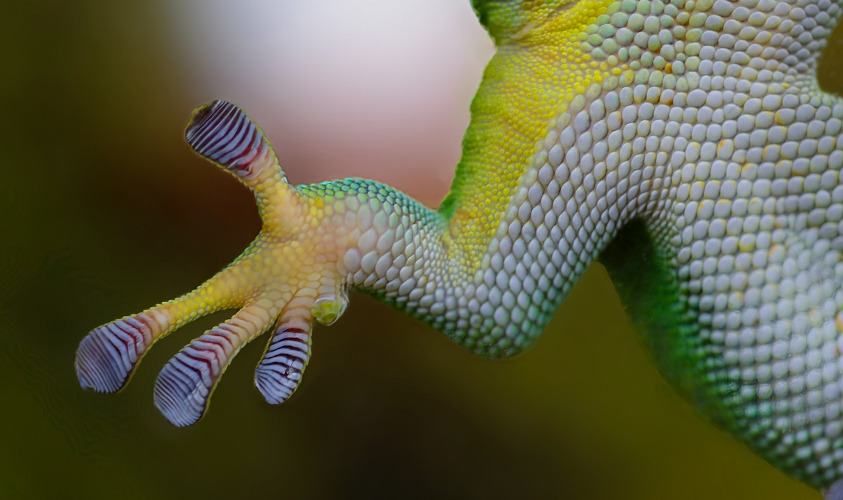
New Adhesive As Sticky As Gecko’s Feet
Move over, Spidey! Scientists from Singapore have developed a dry adhesive that mimics the gecko's gravity-defying tricks.

Type 1 Diabetes On The Rise In China
New research reveals a rise in the number of Chinese being diagnosed with type 1 diabetes, with adults accounting for most of the new cases.

Storing Electricity In Chemical Form
Researchers in Japan have created a device that stores excess electrical energy using glycolic acid, which has a much greater energy capacity than hydrogen, one of the more popular energy-storage chemicals.

Giving Credit Where It Is Due
Intellectual property laws strike a balance between incentivising innovation and ensuring that information and freedom of expression are not curtailed, says SMU Associate Professor Saw Cheng Lim.

Gender Labels Affect Color Preference In Children
A study by Hong Kong scientists has demonstrated that children's perception of gender-appropriate colors can be easily manipulated.

Fighting Superbugs With Supercharged Drugs
Scientists in Australia have developed a method to supercharge antibiotics to turn the tide against some of the world's toughest superbugs.

Synthesizing Versatile Nanomaterials
Scientists in China have developed a method to develop nanomaterials whose shape and properties can be adjusted to mimic biological macromolecules.