


The Asian Scientist 100
Can Li

Institution
University of Hong Kong
Country
Hong Kong
Field
Engineering
Li is a recipient of the 2023 Croucher Tak Wah Mak Innovation Award for his research exploring the limitations of digital computers in performing tasks accomplished by the human brain, including recognising faces, reasoning based on vague information, and learning from experience.
(Photo: University of Hong Kong)
AWARDS
- 2023 Croucher Tak Wah Mak Innovation Award
Related articles

China Approves Tyvyt For Hodgkin’s Lymphoma
Sintilimab, a fully human anti-PD-1 therapeutic monoclonal antibody, was co-discovered by Innovent and Adimab and jointly developed by Innovent and Eli Lilly in China.

7 Must-Read Stories In December 2018
From diagnosing disease to exploring the far side of the moon, these were the seven most popular stories in December 2018.

Jackie Ying Receives 2018 TÜBA Academy Prize
Professor Jackie Y. Ying is the first woman to receive the TÜBA Academy Prize in the Science and Engineering Sciences category.

Parasite Eyes Inspire Ultrathin Camera
Researchers in South Korea have engineered an ultrathin digital camera based on the eye structure of Xenos peckii, a type of wasp parasite.

Two Types Of Qubits Are Better Than One
Using two different types of qubits with complementary properties, an international group of scientists are hoping to help make quantum computing scalable.

Seniors Care More For Strangers’ Financial Welfare, Study Finds
While young adults take more risks when making financial decisions for others, older people regard others’ financial outcomes as important as their own and therefore act more conservatively.

Study: Bidi Smoking Costs India US$12 Billion A Year
Bidi smoking cost India US$12.4 billion in ill health and early death in 2017, study shows.

AKARI Finds Signs Of Water In Asteroids
A Japanese research team has used the infrared camera aboard the AKARI satellite to detect the presence of hydrated materials inside C-type asteroids.
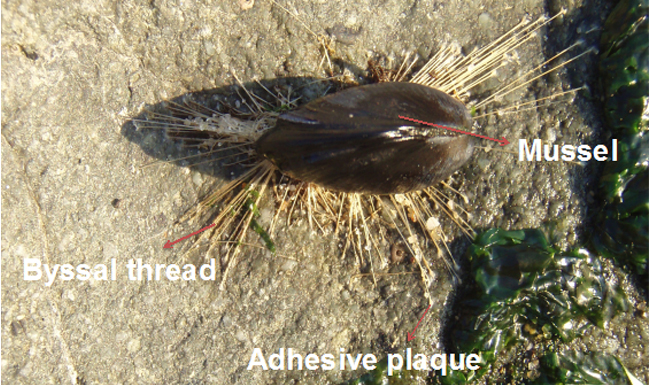
Hybrid Protein Adhesive Flexes Its Mussel
The mussel's incredible ability to adhere to surfaces has inspired a biologically active molecule that can tightly bind to titanium, which is commonly used in medical implants.