


The Asian Scientist 100
Can Li

Institution
University of Hong Kong
Country
Hong Kong
Field
Engineering
Li is a recipient of the 2023 Croucher Tak Wah Mak Innovation Award for his research exploring the limitations of digital computers in performing tasks accomplished by the human brain, including recognising faces, reasoning based on vague information, and learning from experience.
(Photo: University of Hong Kong)
AWARDS
- 2023 Croucher Tak Wah Mak Innovation Award
Related articles
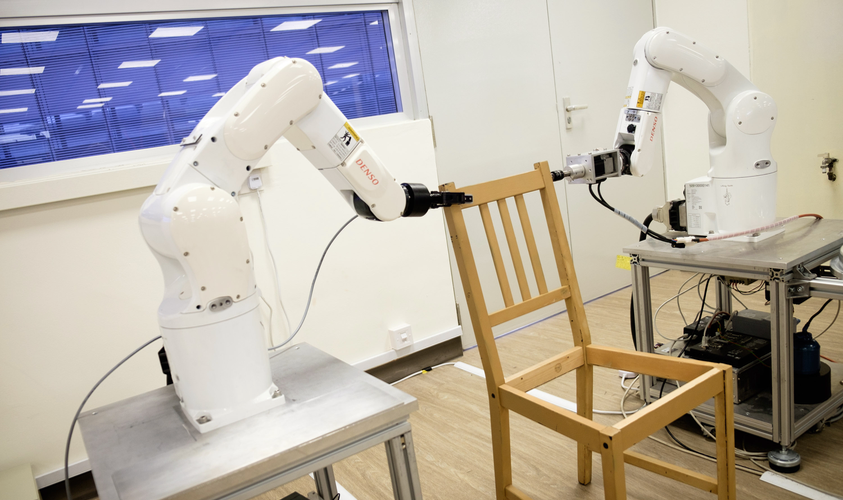
Watch A Robot Assemble Its Own IKEA Chair (VIDEO)
How long does it take you to assemble IKEA furniture? This robot can do it in under nine minutes without any external help.

A One-Shot Test For Multiple HBV Mutant Strains
A research group in China has developed a diagnostic test for the hepatitis B virus that can even distinguish between mutant virus strains.

Revealing Protein Problems In Hybrid Plants
Misfolded proteins may be responsible for decreased survivability in hybrid plants, say researchers in Japan.

Clinician-Researcher Iain Tan Wins 2014 Singapore Youth Award
In recognition of his contributions to cancer research in both the clinic and the lab, Dr. Iain Tan has been awarded the 2014 Singapore Youth Award.
Making Electricity From Microwaves
A research team in Japan has developed a highly sensitive diode capable of converting microwaves to electricity.

Nanoparticles Give Mice Night Vision
A research group in China has injected nanoparticles into the eyes of mice to allow the rodents to see in the dark.

Mendeley Co-Founder: We Made A Social Tool For Academics
Jan Reichelt, the co-founder and president of Mendeley, the popular research-management platform, talks to Asian Scientist about the story and success of the company, and shares his vision for the future.

Thomson Reuters Names Their Nobel Guesses
Thomson Reuters releases their predictions of this year's Nobel Prize winners in anticipation of the official announcement in October.
High Stakes Science: Controversial Stem Cell Papers Retracted
The retraction of the controversial STAP cell papers should stimulate much needed discussions on scientific reform, Rebecca Tan writes.