


The Asian Scientist 100
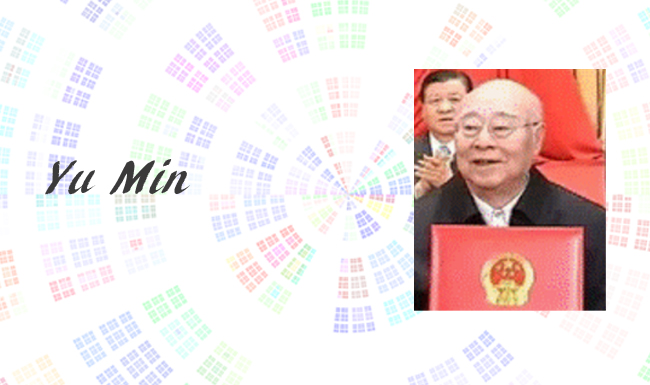
Yu Min
Academician
Institution
Chinese Academy of Sciences
Country
China
Field
Physics
Yu was given the 2014 National Highest Science and Technology Award, China’s top science award, for his research into hydrogen bombs.
(Photo: Peking University)
Related articles

Asia’s Rising Scientists: Matthew Chang
Associate Professor Matthew Chang is leading a team of interdisciplinary scientists to reprogram living organisms to perform useful functions for humans.

Robotic Bloodhound Picks Scents Off The Ground
Scientists in Japan have used a technique known as localized surface plasmon resonance to develop a robot ‘bloodhound’ that is highly sensitive to odors.
Four Scientists To Receive 2018 ASAN Awards
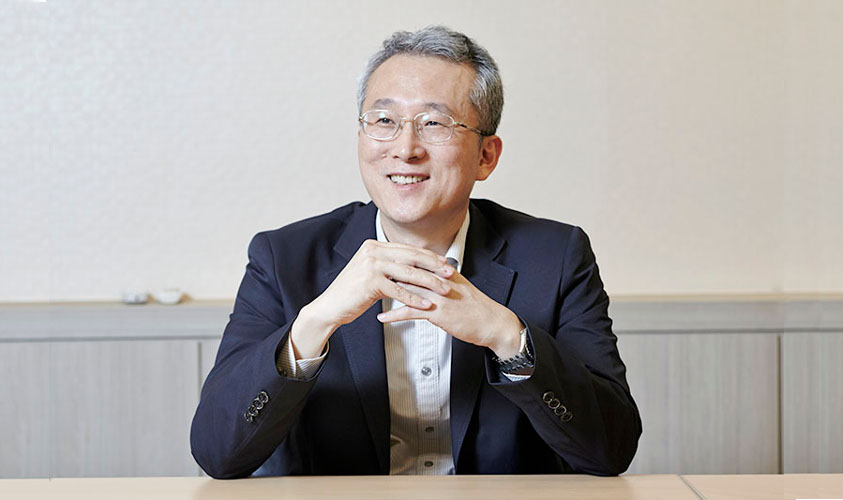
Professor Kim Eunjoon, who demonstrated the principles behind the formation and functions of synapses, has been named the 2018 recipient of the ASAN Award in Medicine.
Japan & Singapore Jostle For Top Uni Rankings
East Asian universities dominate both the Times Higher Education and Quacquarelli Symonds rankings yet again in 2015.
Asia’s Rising Scientists: Yan Ning
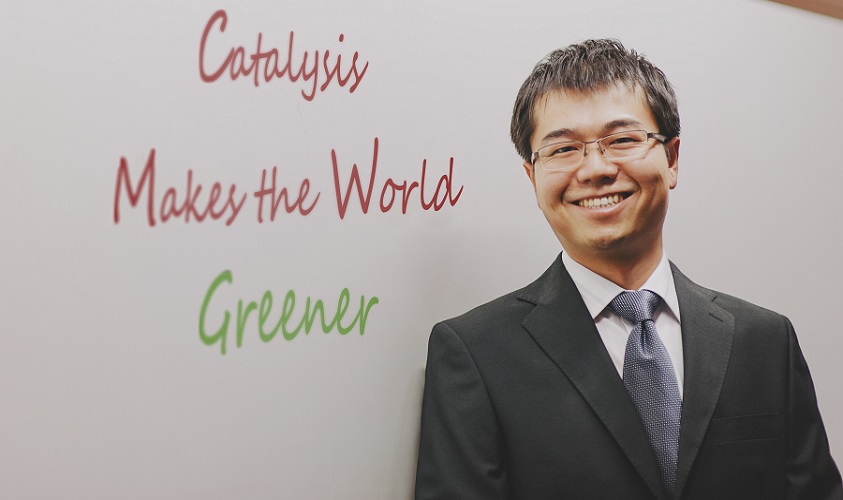
Rather than let the shells of crabs and lobsters go to waste, Assistant Professor Yan Ning pioneered the field of ‘shell biorefinery’ to upcycle crustacean shells.

Screening The Genome For Riboswitches
A genome-wide method has identified RNA aptamers that can bind to key metabolites, including vitamin B2.

Sea Anemone-Inspired Hydrogel Four Times Stronger Than Silkworm Silk
A hydrogel made of sea anenome protein could find biomedical applications as a durable material to support cell growth.

Giving Soft Robots Electronic Skins
Researchers have developed electronic skins that are not only stretchable and conformable onto dynamic surfaces, but also capable of wireless communication.

It’s All Monkey Business For Andie
Asian Scientist Magazine had a chat with Dr. Andie Ang, who was recently appointed president of the Jane Goodall Institute (Singapore), on her upcoming projects in primate conservation.