


The Asian Scientist 100
Yang Ke
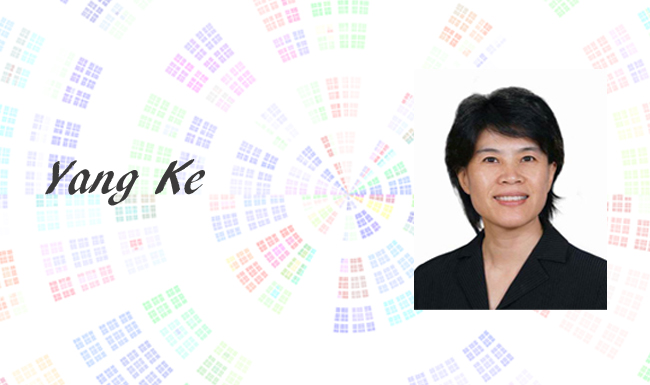
Executive Vice President
Institution
Peking University
Country
China
Field
Leadership
Yang, the executive vice president of Peking University, won the 2015 Prince Mahidol Award for reforming research and medical education in China.
(Photo: Peking University)
Related articles

Harvesting Healing Factors From Stem Cells
Using a soft hydrogel, scientists in Singapore have found a way to induce stem cells to secrete large amounts of healing factors.

Students Take The Stage
Given time, training and resources, students can achieve amazing feats, as demonstrated by the teams taking part in the 2019 APAC HPC-AI Competition.
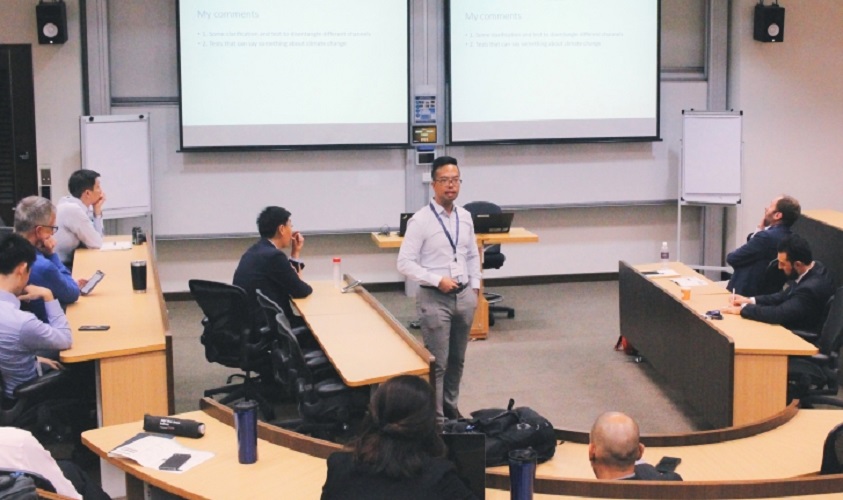
Investing With A Green Focus
Companies are increasingly considering environmental factors when making investment decisions, said experts at a two-day SMU workshop on sustainable finance.

Filling In The Gaps Of Asia’s Genetic Map
The early findings by the GenomeAsia 100K consortium shed light on the ancestral origins of Asia's populations and provide insight into adverse drug responses among Asians.
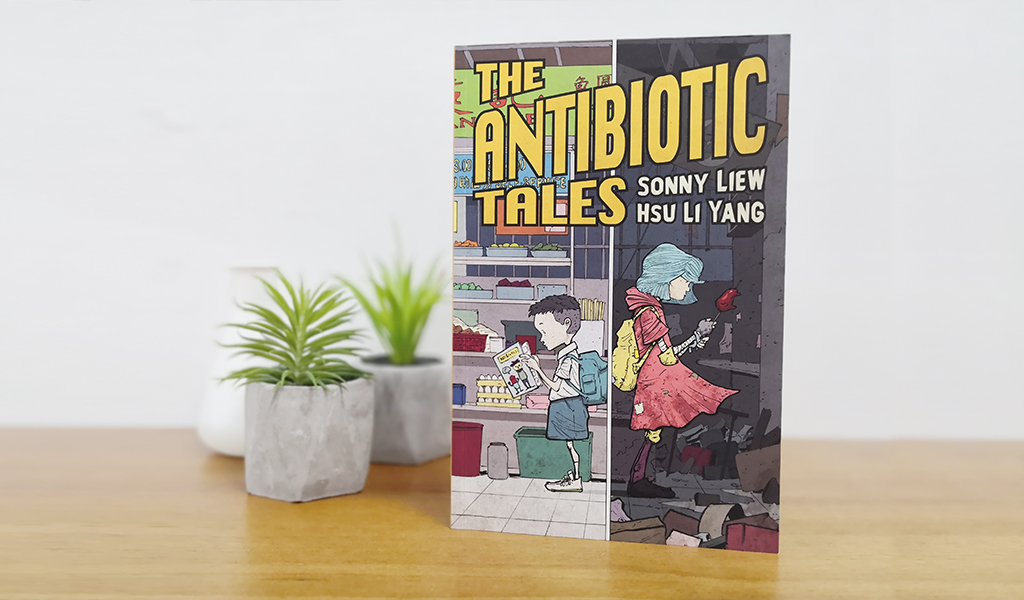
Tackling Antimicrobial Resistance Through Comic Books
Dr. Hsu Li Yang and Sonny Liew, creators of The Antibiotic Tales, share how they made a comic book addressing the growing threat of antimicrobial resistance.

Identifying Airborne Hazards In A Flash
Using a nanomaterial patch that traps gas molecules for laser analysis, a team of researchers in Singapore has found a way to profile airborne hazards almost instantaneously.
Winners Of The Asian Scientist Writing Prize 2019 Announced
A total of 26 winners received their prizes at the Asian Scientist Writing Prize 2019 held at the Science Centre Singapore.

Winners Of The Asian Scientist Writing Prize 2017 Announced
A total of 26 winners received their prizes at the Asian Scientist Writing Prize 2017 held at the Science Centre Singapore.

WuXi AppTec And BioSolveIT Set Up Molecule Library
The GalaXi® platform grants researchers access to billions of virtual molecules, paving the way for faster drug discovery and development.