


The Asian Scientist 100
Yang Ke
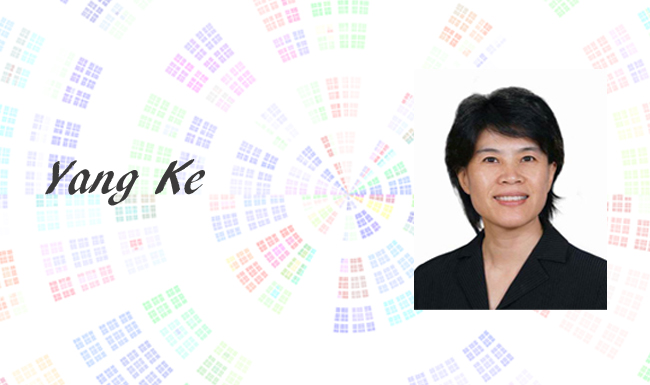
Executive Vice President
Institution
Peking University
Country
China
Field
Leadership
Yang, the executive vice president of Peking University, won the 2015 Prince Mahidol Award for reforming research and medical education in China.
(Photo: Peking University)
Related articles
Coral Reefs May Not Grow Fast Enough To Keep Pace With Rising Seas
Corals may be unable to keep up with rapidly rising sea levels, threatening marine wildlife and coastal communities
The 2004 Sumatra Earthquake Is Still Moving The Ground—600 km Away
A new study finds that land up to 600 km from the earthquake’s epicentre continues to sink by a few millimetres each year.

Ultrathin Solar Cells Could Turn Building Windows Into Power Generators
Using a thermal evaporation process, scientists created ultrathin perovskite films that allow visible light to pass through while generating electricity from sunlight.

The 11th Edition Of Asian Scientist 100: Honoring Asia’s Best Scientists
Every year, Asian Scientist Magazine publishes Asian Scientist 100, a carefully curated list of the best and brightest researchers and leaders in STEM in Asia.

Clogged Brain Drains May Be An Early Warning Sign Of Alzheimer’s
‘Drains’ in the brain that remove toxic waste can get blocked, a phenomenon more likely in those showing early symptoms of Alzheimer’s.

How Gut Cells Chat Like Neurons
Telocytes stretch fine extensions to pass cues to intestinal stem cells.

Youth Report Social Media Usage Impacting Their Self Worth And Mental Health
68 percent of the respondents reported difficulties with focusing, and 52 percent admitted they frequently got distracted by social media during their class at school.

Reducing Ozone Pollution Can Prevent Early Deaths In Southeast Asia
Stricter air pollution controls in Southeast Asia could prevent up to 36,000 ozone-related premature deaths annually by 2050.

Flag-Bearers Of Innovation
Over the past decade, the National Supercomputing Centre (NSCC) Singapore and collaborators have led the charge in developing supercomputing-powered innovations to support Singapore’s research and development ecosystem.