


The Asian Scientist 100
Xie Yi
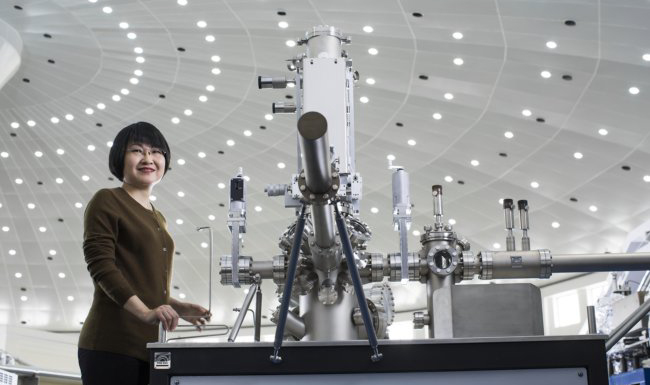
Professor
Institution
University of Science and Technology of China
Country
China
Field
Chemistry
Xie was honored with a L’Oréal-UNESCO For Women in Science Award in 2015 for creating new nanomaterials with promising applications in the conversion of heat or sunlight into electricity.
(Photo: L’Oréal)
Related articles
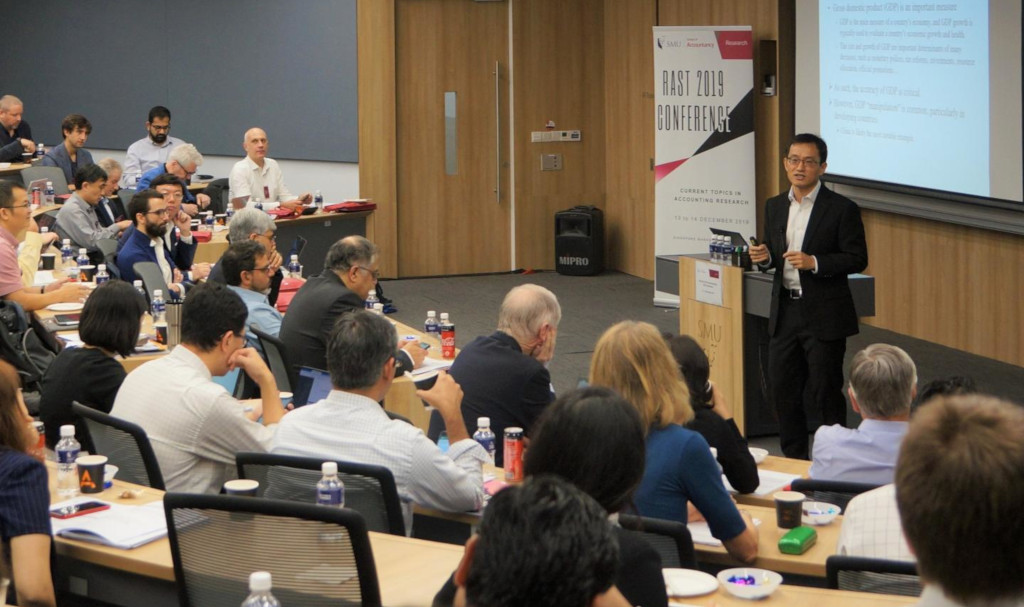
The GDP Fudge: China Edition
By linking GDP growth to promotions, the Chinese government has inadvertently created incentives for provincial officials to report inaccurate financial data, a study says.

Students Take The Stage
Given time, training and resources, students can achieve amazing feats, as demonstrated by the teams taking part in the 2019 APAC HPC-AI Competition.

5 Ways Supercomputers Help Advance Science
Supercomputers are helping scientists simulate scientific processes, make predictions and create data-based solutions, tackling the biggest scientific questions one calculation at a time.

Taal Volcano Eruption Prompts Thousands To Evacuate
The Taal volcano in the Philippines spewed lava early Monday morning, its first eruption since 1977.

Hokkaido Researchers Break New Ice In Cryosphere Science
Researchers at the Institute of Low Temperature Science at Hokkaido University are uncovering secrets of the climate buried in ice cores.

Finding The Missing Link Between Pain And Depression
Chronic pain suppresses the brain's reward system, eventually leading to depression, say scientists in Japan.

Astronomers Discover Galaxy That Resembles An Emerald-Cut Diamond
An international team of astronomers has discovered a rare square galaxy, called LEDA 074886, which has a striking resemblance to an emerald cut diamond.

Inflated Sense Of Responsibility May Drive OCD And Anxiety
Scientists in Japan have found that a strong sense of responsibility is associated with developing psychological disorders.

Dealing With The Mental Burden Of Debt
Financial debt is a strain on cognitive resources, negatively impacting decision-making, which in turn prevents the poor from escaping poverty, say researchers in Singapore.