


The Asian Scientist 100
Max Lu
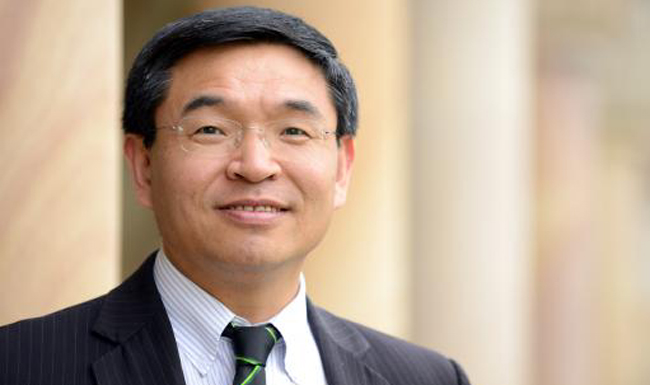
Provost and Senior Vice-President
Institution
University of Queensland, Australia
Country
China
Field
Chemistry
The Chemical Society of Japan gave Lu the Colloid and Surface Chemistry Lectureship Award 2015 for developing advanced materials in the areas of clean energy, the environment and healthcare.
(Photo: University of Surrey)
Related articles

Adults Also Can’t Resist Junk Food Advertising, Study
The idea that adults are better equipped than children to resist junk food advertising has been debunked by a new study.

The Nonsense Of Biofuels: Thoughts From A Nobel Prize Winner
Prof. Hartmut Michel calls for resources used in biofuel production to be used instead to harvest solar energy with photovoltaic cells.

Malaysia To Embark On Five-Year RazakSAT-2 Satellite Development Program
The Malaysian government will expand the country’s satellite development program with a RM200 million (US$66 million) boost from the Ministry of Science, Technology and Innovation.

Adaptive Licensing To Speed Up Drug Approvals In Singapore
Singapore's health regulatory agency is implementing a new drug development regulatory model to accelerate the translation of drugs into the clinic.

Curcumin Curry Spice Could Suppress Inflammation In Tendinitis, Arthritis
A common culinary spice found in Indian curries could offer hope for sufferers of the painful condition tendinitis, which causes pain and tenderness near to joints.

Nitrogen Emission To Blame For China’s Pollution, Study
A new study reveals that amounts of nitrogen released from industry, cars, and fertilizer in China increased by 60 percent annually from the 1980s to the 2000s.

Lessons For Asia From The Horse Meat Scandal
What can we in Asia learn from the horsemeat contamination scandal in Europe? David Tan discusses.

A School Where Agent Orange Isn’t Friendly
In a special Vietnamese school near Hanoi, over 100 children and 40 war veterans - all Agent Orange survivors - are undergoing vocational training.
Will Singaporeans Stop Breeding In 2030?
As the population density rises in Singapore, Juliana Chan writes that fertility rates will likely take an even deeper plunge.