


The Asian Scientist 100
Max Lu
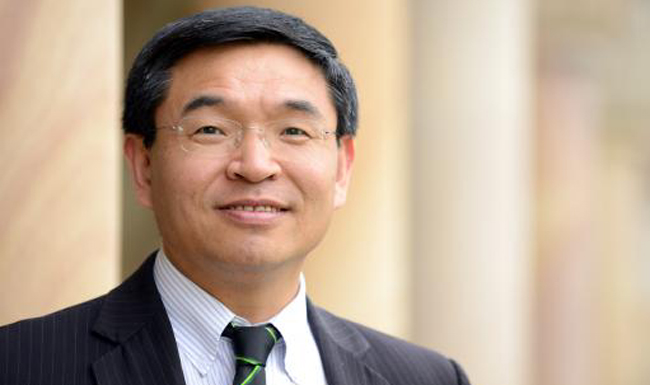
Provost and Senior Vice-President
Institution
University of Queensland, Australia
Country
China
Field
Chemistry
The Chemical Society of Japan gave Lu the Colloid and Surface Chemistry Lectureship Award 2015 for developing advanced materials in the areas of clean energy, the environment and healthcare.
(Photo: University of Surrey)
Related articles
When AI Gets Leaner And Meaner
New AI approaches that require less data and computational power are changing the game for tech giants and startups alike, said speakers at the INSEAD Artificial Intelligence and Machine Learning Festival.

Gene Flow Halted By Fragmented Forests
Scientists have used landscape genetics to determine how to better conserve river floodplain ecosystems and maintain the genetic diversity of endangered maple trees.

More Than Half Of Borneo’s Orangutans Have Been Lost
In addition to habitat destruction, hunting of orangutans is a major cause of the decline in orangutan populations in Borneo.

Life Goes On For Queenless Bees
What happens when queenless bees have to forage for food and produce new bees at the same time? Researchers find that they adapt and change with their environment.

Asian Elephants Console Others In Distress
Asian elephants console others who are in distress, using physical touches and vocalizations, according to a new study.

EmTech Asia Announces 2018’s Innovators Under 35
Ten individuals from Singapore, Australia and Taiwan have been selected as finalists for MIT Technology Review’s Innovators Under 35 program.

Turning Puffs Into Pesos
The Philippine’s Secretary of Health, Dr. Paulyn Rossell-Ubial, shares with Asian Scientist Magazine how her country has turned a tax on smoking into a health intervention.
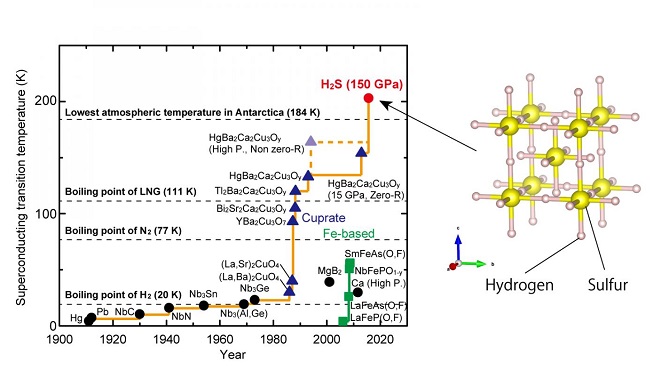
Researchers Crystallize Hydrogen Sulfide In Superconducting Phase
A team of Japanese researchers has unraveled the crystal structure of hydrogen sulfide, a promising superconducting material.

Ink-Based Capacitors Flex Their Strengths
A manganese oxide-based conductive ink could help make the production of energy storage devices cheaper and more eco-friendly.