


LATEST NEWS

Body-Powered Batteries That Dissolve After Use
These batteries can harvest biomechanical energy from the body and then simply dissolve once no longer needed, reducing the need for surgery.

MERS Adapts By Weakening During Outbreaks
To survive in nature and live together with its host during an outbreak, the MERS virus develops mutations that 'weaken' its effects.

Japan’s Particle Accelerator Achieves First Turns
Scientists at the SuperKEKB accelerator have succeeded at circulating beams of positrons and electrons in opposite directions to study particle collisions.
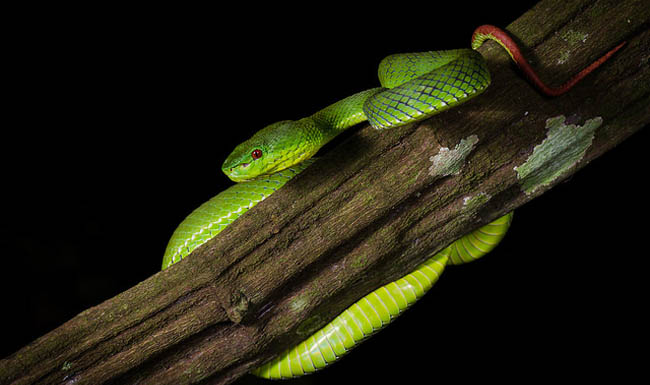
Snake Venom May Hold Key To Alzheimer’s Treatment
A molecule found in pit viper venom activates enzymes that break down amyloid plaques in the brain, which are commonly associated with Alzheimer's.
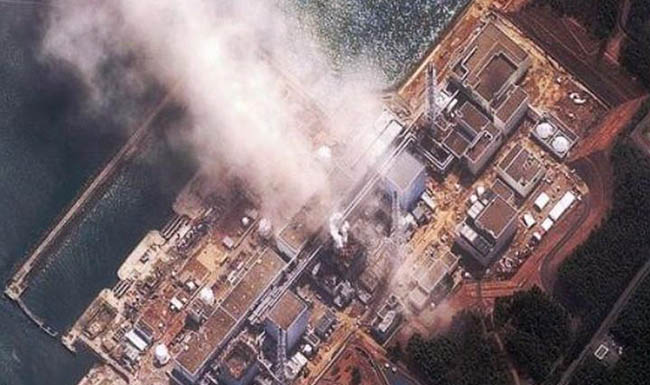
Strategic Research Could Help Inform Post-Fukushima Policies
Interdisciplinarity and globalization of Japanese energy and environment research could help inform policymakers in a post-Fukushima world, say researchers.

Asia’s Scientific Trailblazers: Naveed Ahmed Khan
Professor Khan speaks about his work in anti-microbials, the value of broadening your horizons and the importance of a culture of innovation.

Fossils And Family Traditions
What do you do when your son insists that science trumps everything—even festive occasions and school?

New Bird Lineage From Early Cretaceous Period Found
A specimen named Chongmingia zhengi, recently found in China, sheds light on the early evolution of birds.

Asia’s Legal Tiger
The growing globalisation of Singapore’s legal profession presents both opportunities and challenges, says SMU Associate Professor Goh Yihan.


