


LATEST NEWS

Long-Term Antacid Use Linked To Increased Stomach Cancer Risk
Scientists have found that the risk of stomach cancer is higher in patients previously treated for H. pylori infection if they took proton pump inhibitors over extended periods of time.

10 Lab Hacks That Could Save You Time And Effort
Ever wondered why some scientists seem so carefree in the lab? Perhaps they've optimized their protocol with some of these lab hacks.
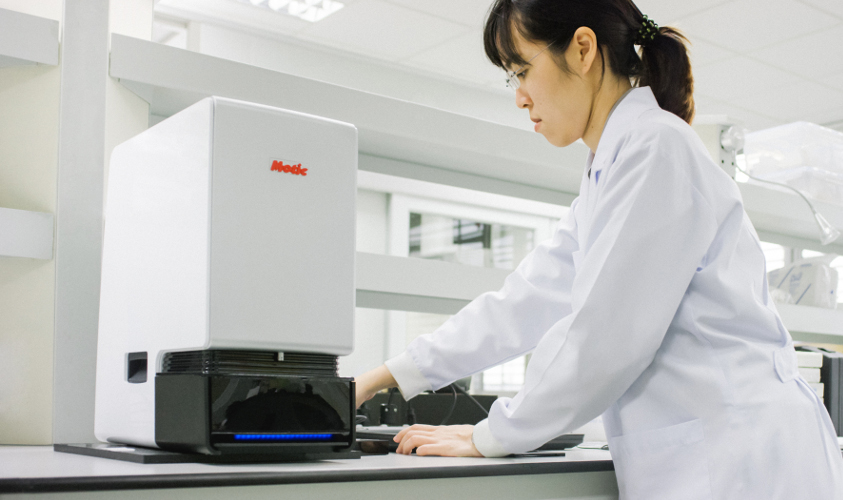
AI-Powered Microscope Automatically Spots Malaria Parasites
An advanced microscope producer in China has developed an artificial intelligence-powered microscope that automatically detects malaria parasites in blood smears.

Japanese Professor Receives Delsys Prize For Innovation
Mitsuhiro Hayashibe of Tohoku University is the first Japanese to receive the international electromyography award.
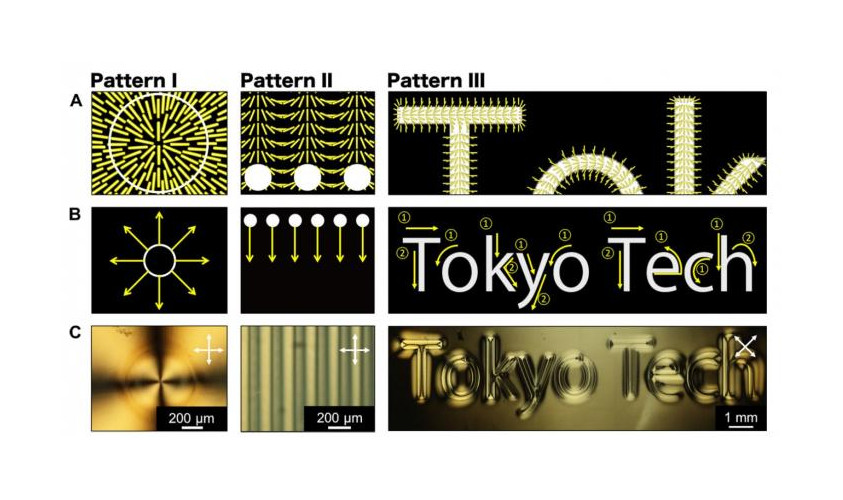
A Dye-Free Method To Manufacture LCDs
Researchers in Japan have developed a scanning wave photopolymerization method for producing liquid crystal displays without the need for dyes.

China Gets The Go Ahead To Use Recombinant Interferon Against Bird Flu
Chinese scientists can now use recombinant chicken α-interferon to prevent and treat avian influenza infection.
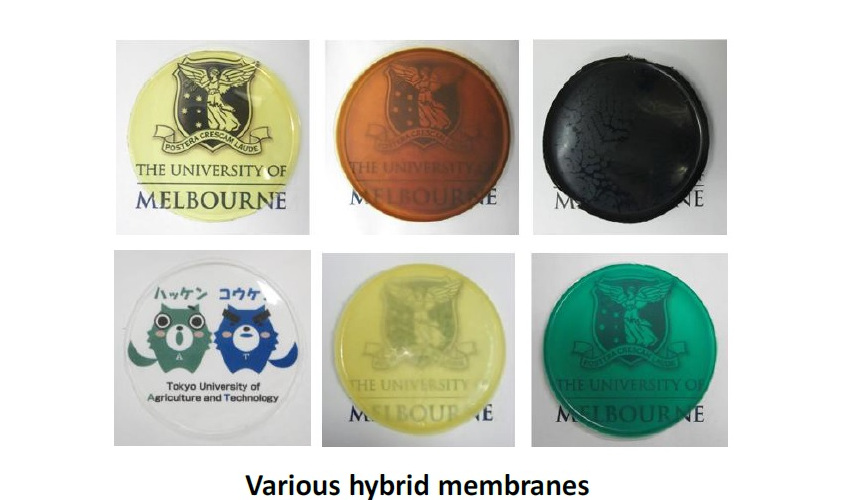
Material Choice Key To Effective Carbon Capture
The choice of material is important for the selective capture of carbon dioxide from industrial gas streams in real-world scenarios.

Flower Disguises As Mushroom To Get Pollinated
Scientists in Japan have discovered that the flowers of the ‘cast iron plant’ mimic mushrooms to attract fungus gnats, which assist with pollination.

Mouth Bacteria Can Mess Up The Gut
Researchers in Japan have demonstrated that oral bacteria can colonize the gut and contribute to inflammatory bowel disease.


