


LATEST NEWS

Catching Autophagy In The Act
Scientists in South Korea have used the fluorescence resonance energy transfer technique to observe autophagy in live cells.

Zombie Algae Reveal How Multicellular Animals Move
Scientists in Japan have used ‘zombie algae’ to better understand how multicellular organisms move in response to light stimulation.
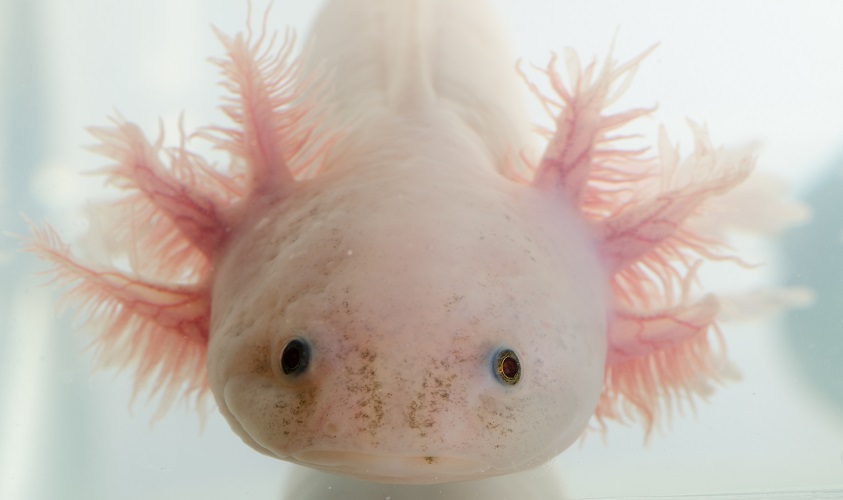
Growing The Model Organism Menagerie
Yeast, flies and worms may be mainstays in biology laboratories, but non-traditional model organisms like salamanders, giant protists and tardigrades are fast becoming easier to study.

Merck Invests €40 Million In Asia
Merck has invested an additional €40 million (US$49.35 million) to build a robust manufacturing and distribution platform in Asia over a span of two years.

An AI On The Prize: Zhang Tong of Tencent’s AI Lab
Dr. Zhang Tong, executive director of the Tencent artificial intelligence lab, shares the tech giant’s plans to solve some of the hardest problems in AI today.

Pop In Your Contact Lenses To Read Your Glucose Levels
Researchers in South Korea have developed smart contact lenses that can monitor glucose levels using tears.

How Lipids Prevent Dry Eyes
Scientists in Japan have discovered that an enzyme responsible for the elongation of fatty acid chains is necessary for keeping the eyes moist and free from infections.

Fabricating Aerogels From Fabric Waste
Scientists in Singapore have developed an aerogel from cotton-based waste that can be used to stop excessive bleeding.

Makoto Fujita Receives The 2018 Wolf Prize In Chemistry
For his outstanding contributions to metal-guided synthesis, Professor Makoto Fujita was awarded the 2018 Wolf Prize in chemistry.


