


LATEST NEWS

Robots Of The Future May Not Need Motors
Engineers in Hong Kong have invented an actuating material that could replace motors in robots.

Giving Soft Robots Electronic Skins
Researchers have developed electronic skins that are not only stretchable and conformable onto dynamic surfaces, but also capable of wireless communication.

Echoes Of An Ancient Bird
The super-elongated windpipe of a fossilized ‘coiled chicken’ suggests that the bird produced a deep and loud call.

The Problematic Persistence Of Nanoplastic Pollution
A team of marine biologists has found that nanoplastics accumulate in marine organisms, potentially harming aquatic food chains as well as human health.
When Muscles Meet Machines
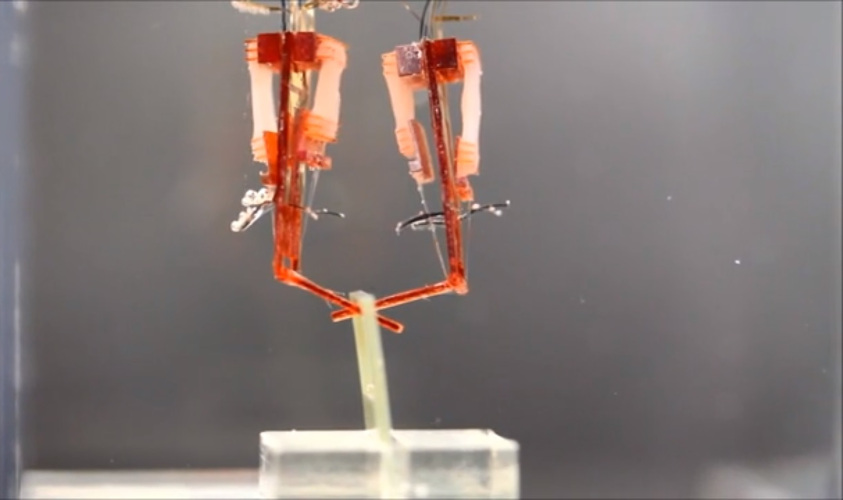
A team of researchers in Japan has grown sheets of muscle on hydrogels and anchored them onto a robotic frame to create a biohybrid robot.

Artificial Nerves Move Biological Muscle
Scientists have successfully created artificial nerves that can sense pressure and move muscles.

Engineering Blood Vessels Using Shape-Morphing Scaffolds
Researchers have developed a shape-morphing scaffold that can be used to create three-dimensional blood vessel grafts.

Wanted: Managers With A Human Touch
ESSEC’s Master of Science in Management of Health Industries program offers a unique Asian take on the healthcare industry and gives students a chance to launch exciting careers.
Existing Anti-Hypertension Drug Could Help Fight Flu
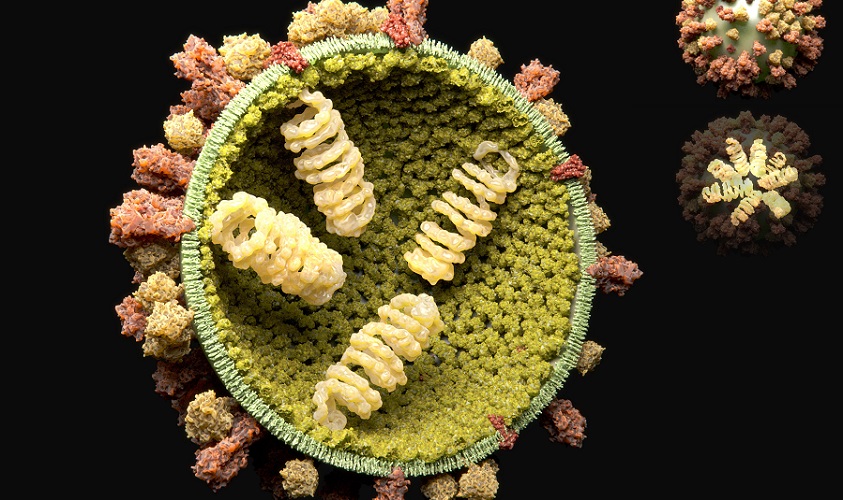
Anti-hypertensive drugs called calcium channel blockers can suppress influenza virus replication by blocking a key viral receptor.


