


LATEST NEWS

How Did Pandas Become Vegetarian?
Genetic material in bamboo facilitated giant pandas’ ability to eat plants.

More Ticks, Less Spiders: As Grazers Replaced Wild Life In Himalayas.
Grazing in the Himalayas altered the numbers and mix of insects by changing vegetation patterns.

Daycare Boosts Development In Early Childhood
The Japanese study breaks the traditional ‘Three-Year-Old-Myth’, which forces mothers to stay home and care for their children until they turn three.

Superstars Of STEM
This International Women's Day, we are celebrating some powerful women researchers who are empowering others in Asia.

How Fetuses Defend Themselves From Viral Infections
Once thought to rely solely on maternal immunity, fetal immune cells respond to Zika virus in distinct ways.

Study Reveals Key To AI-Language Learning In Robots
This research aims to enhance robots' ability to understand and respond to human instructions in real-world situations.
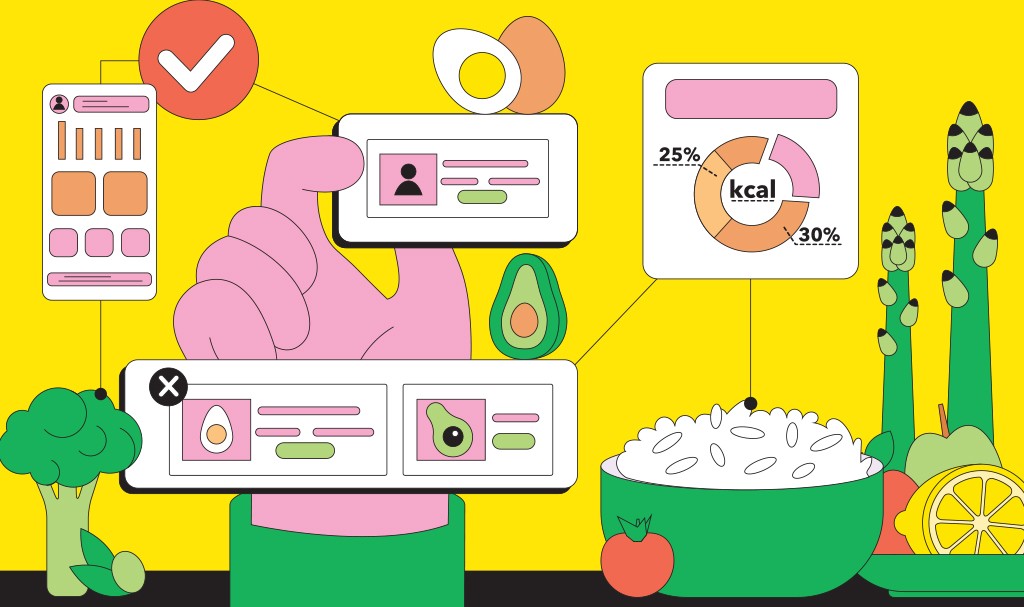
Nutrition Gets Personal
As more people in Asia use tech to closely regulate what they eat, personalized nutrition is becoming a new normal in the region.

Why Children With ADHD Struggle To Sleep
The study identified a genetic overlap between ADHD and reduced melatonin, a hormone that signals the body to wind down before bedtime.

A Deep Learning Model To Predict Rapid Intensification Of Cyclones
The model enhances understanding of the extreme events and supports better defences against their devastating impacts.


