


LATEST NEWS

Cipla Launches Hepcvir-L For HepC Genotype 1 Patients
Hepcvir-L will be provided to patients in India at the fraction of the cost of branded Ledipasvir-Sofosbuvir under a licensing agreement with Gilead Sciences Inc.

10 Things You Need To Know About Element 113 And Founder Kosuke Morita
Here are 10 things you should know about element 113, the first element discovered and named by researchers in Asia, and its founder, Kosuke Morita.

Element 113, Discovered By Asian Scientist, Made Official On New Year’s Eve
Element 113 is the first element on the periodic table to be discovered by an Asian scientist.

Mazes & Brains: When Preconception Trumps Logic
Using fMRI scans, researchers have identified the pattern of brain activity associated with getting directions wrong.
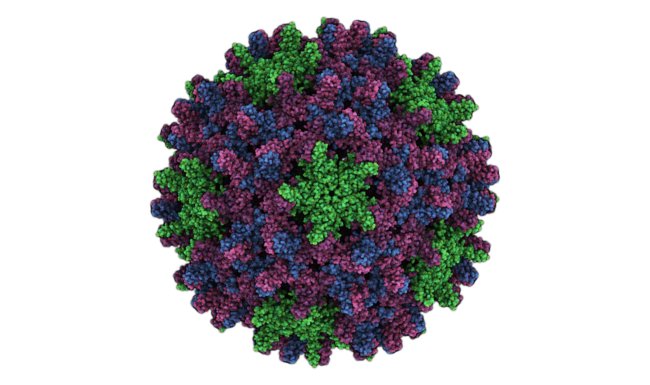
Protecting Children Receiving Liver Transplants From HepB
The ability to prevent recipients from developing hepatitis B from donated livers could increase the donor pool.
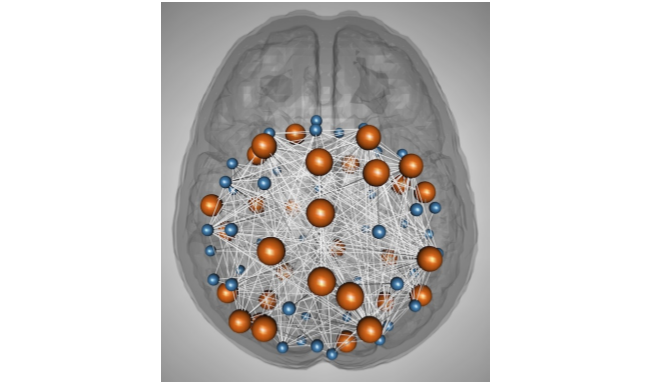
Soccer-Inspired Strategy Uncovers Links Between Cognition & Neurodevelopmental Disorders
A systems genetics approach has helped scientists discover the network of genes involved in both cognition and neurodevelopmental disease.

Wasp Larvae Jump To The Dark Side
Larvae of Bathyplectes anurus wasps jump into the shade to increase their chances of survival.

Potential Target For TGF-β-Driven Cancers Found
The finding that USP15 enhances the stability of TGF-β signaling suggests that targeting USP15 could help treat cancers with TGF-β hyperactivation.

Qian Xuesen Lab & PSI To Cooperate On Space Exploration
The Qian Xuesen Lab of the China Aerospace Science and Technology Corporation has signed an agreement with the Planetary Science Institute.


