


LATEST NEWS
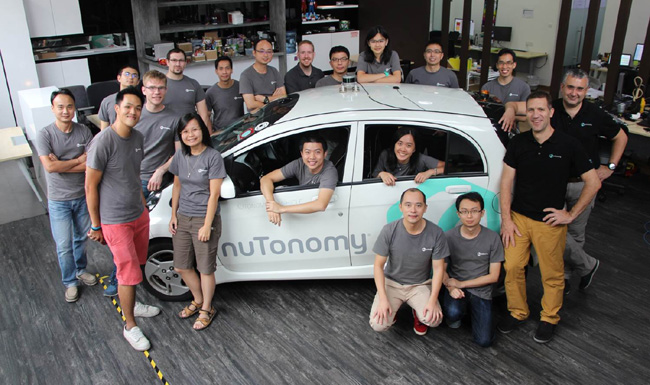
nuTonomy Receives US$16M To Test Driverless Taxis In Singapore
nuTonomy, an autonomous vehicle software developer, plans to be the first to put driverless taxis on the roads.
Fancy A Beer From A 5,000-Year-Old Recipe? (VIDEO)
Remnants of a 5,000-year-old ‘beer-making toolkit’ found in Northern China reveal a surprising recipe for this ubiquitous beverage.

A (Dino) Bone To Pick
Leo Tan, professor of biology at the National University of Singapore, was instrumental to the opening of Singapore's first natural history museum.
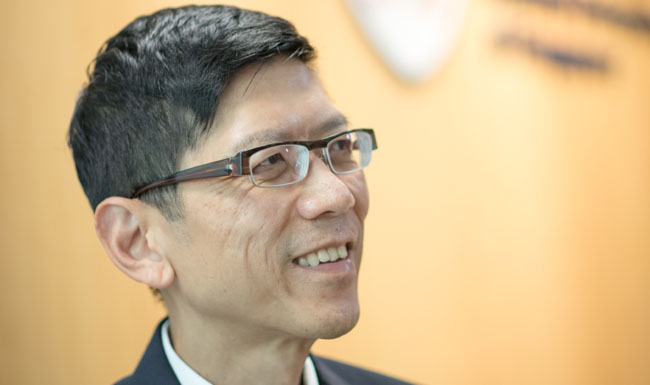
A Steady Hand At The Helm
When Singapore was struggling with the SARS outbreak in 2003, ex-director of medical services Tan Chorh Chuan had to make some difficult—but necessary—decisions.
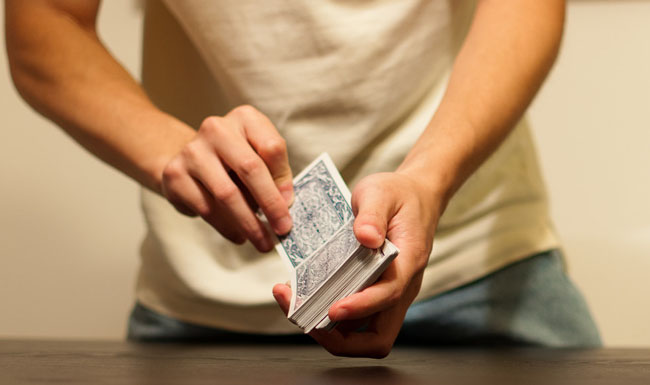
Magic Tricks: Blink And You’ll Miss It
Take it from a professor who is also a magician: when performing illusions, they use the blinks of their audience to their advantage.

Macrofossils Re-Write The History Of Multicellular Life
Fossils of multi-celled organisms visible to the naked eye have just been found in China, and are a billion years older than previously thought.

Syrupy Stand-In Mimics Magma For Volcano Prediction
Using a setup involving dyed syrup and a precision shake table, researchers have modeled how earthquakes can cause volcanic eruptions.

India & China Bear A Third Of Global Mental Illness Burden
India and China's disease burdens for mental, neurological and substance use disorders are greater than in all high-income countries combined, says a study.

This Teddy Bear Robot Was Made For Autistic Kids (VIDEO)
Meet Carinet, an artificial intelligence-equipped teddy bear robot with the ability to help autistic kids feel at ease during therapy.


