


LATEST NEWS

Smoking Weed Linked To Gene Mutation Risk
Smoking weed may lead to DNA mutations that can be passed on to one's children, says this study.

Brain ‘Conductor’ Keeps Time in Memory Orchestra
In mice, memories became useless and jumbled when a region of the brain called CA3 was shut down.

Real-Time Embryo Imaging Could Boost IVF Success
Real-time imaging of embryos may increase the chances of success for IVF procedures through more efficient control of embryo quality.

Baby Crying It Out To Sleep? No Worries!
A new study suggests that letting babies cry themselves to sleep may improve sleep patterns of infants and parents.

How Mosquitoes & Microbes Changed The Course Of A Canal
The Panama Canal “was dug with a microscope”—only when yellow fever and malaria were eradicated, could its construction continue.

In Low- & Middle-Income Countries, Healthcare Coverage Favors The Rich
Copying the healthcare systems in developed economies is “not the answer” for quality care in low- to middle-income countries, a study says.

Chinese Doctor Wins United Arab Emirates Health Foundation Prize
Dr. Palize Mehmett was recognized for leading public health initiatives in many Uyghur communities across Western China.

Plants Are In Touch With Their Surroundings
Something to consider the next time you pluck a flower: wind, water droplets or shadows are all enough to set off an elaborate reaction in plants, suggesting that they possess a ‘touch response.’
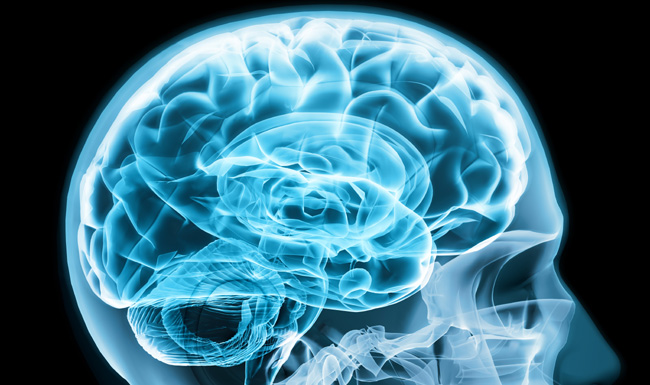
8 Immune Genes Linked To Brain Cancer Death Risk
A set of eight immune system genes may play a role in how long people can live after developing glioblastoma multiforme, a common type of brain cancer.


