


LATEST NEWS
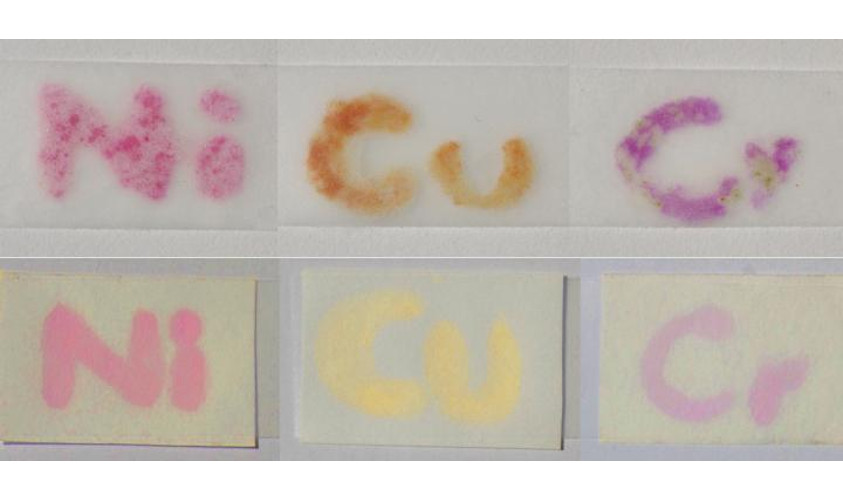
A Sticky Upgrade For Paper-Based Tests
Scientists have developed a method to test for metal ions in both liquid and solid samples using paper and adhesive tape.
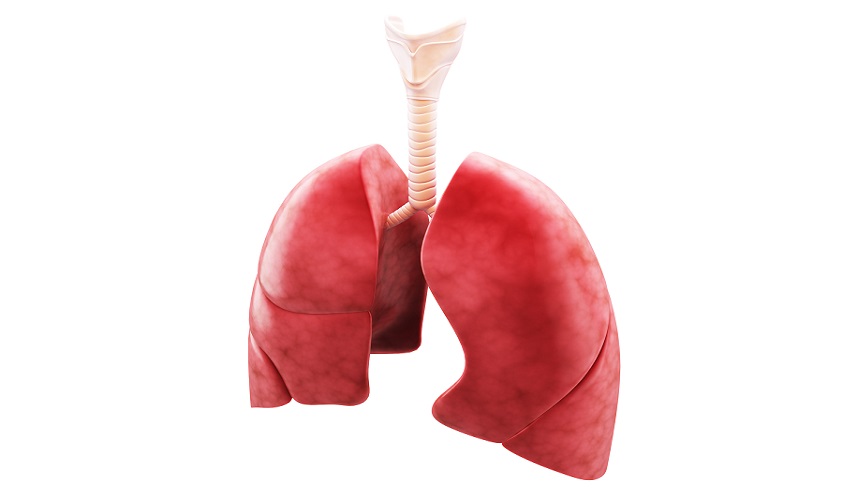
Stem Cells Help Repair Injured Lungs
In a collaborative study between Singapore and the US, researchers have demonstrated that stem cells can be used to regenerate damaged lung tissue.
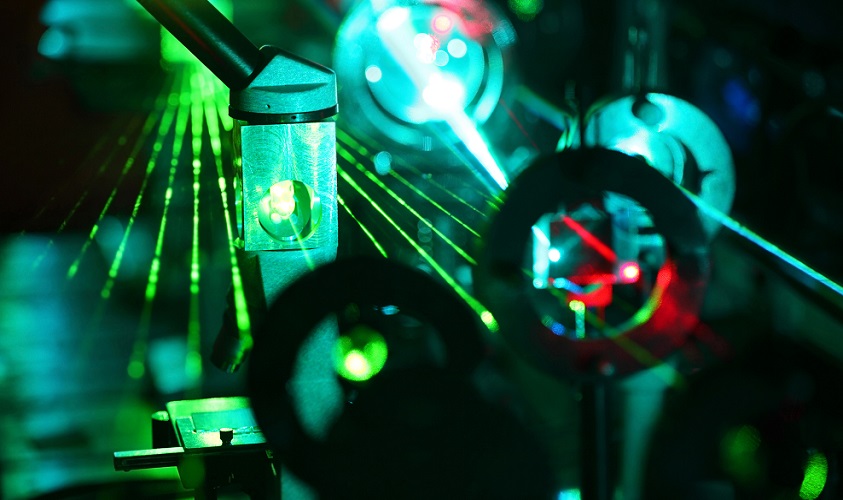
Controlling Light With Gold And Graphene
Using a pierced gold sheet coated in graphene, scientists have created thin lenses that can be used to manipulate the intensity and polarity of light.

Immunotherapy Homes In On Multiple Myeloma
Scientists in Japan have identified a monoclonal antibody that can be used in CAR-T therapy against multiple myeloma.

A High Resolution Snapshot Of DNA Repair
Scientists in China have visualized the structure of a key DNA repair component at near-atomic resolution.

An Unusual Whey To Brew Alcoholic Beverages
Scientists in Singapore have turned tofu whey, which is often discarded, into a substrate for producing a tasty alcoholic beverage.

7 Must-Read Stories In November 2017
Outstanding scientists, ambitious biotech startups, modernized acupuncture and a video of CRISPR in action were the hottest topics of November 2017.

The Philippines Pauses Dengue Vaccine Program
New findings indicate that vaccination could lead to more severe disease in people who have never had a prior dengue infection.
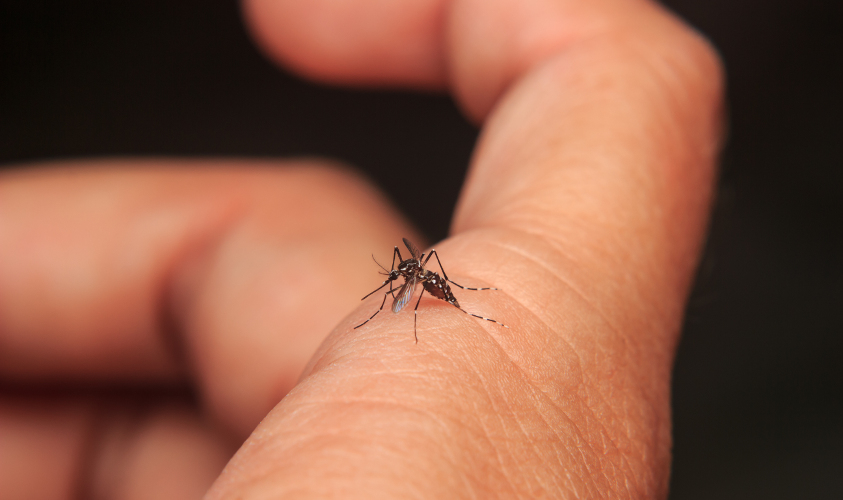
High Temperatures Accelerate Dengue Virus Maturation
A team of researchers in China report that at periods of prolonged high temperatures favor the growth and spread of the dengue virus.


