


TECHNOLOGY

Micrometer-sized Silicon Electrodes To Study The Brain
Researchers in Japan have developed tiny, micrometer-scale needle-electrode devices to record and analyze the brain's electrical activity.

Glowing Molecules 3x More Efficient Than LEDs
The metal-free phosphorescent molecules glow three times as brightly as LEDs at room temperature.

The Real Danger Of Exploding Smartphones
Got a smart phone in your pocket? Watch out. Not only could it explode, but it could also release toxic gases while at it.

Thinking About The Mind Behind The Robot At SIRE 2016
Cloud computing has the potential to revolutionize the field of robotics, but there are key considerations to look into before you leap.

After Driverless Cars, Singapore To Test Self-Driving Buses
All aboard! NTU and the Land Transport Authority of Singapore are collaborating on transport research projects into autonomous vehicles and rail network enhancement.

Could The Energy Internet Actually Work?
Researchers have suggested that the energy internet—distributing electricity in a similar fashion to the actual internet—is an upgrade over the existing outdated electrical grid.
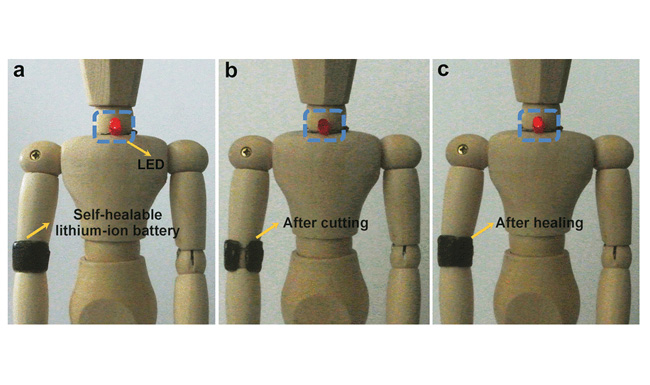
This Lithium Ion Battery Heals Itself Like Wolverine
Using carbon nanotubes, researchers have developed a thin, flexible lithium ion battery that can heal itself after breaking.
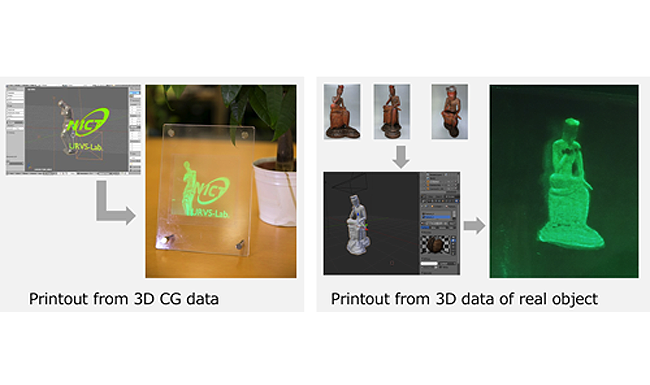
The Holy Grail Of Holograms: High Resolution, Wide Viewing Angle
Researchers have developed a holographic 3D display technology has six times the normal viewing angle.

Ultra-Thin Ferroelectric Material Could Power Next-Gen Semiconductors
The ferroelectric material, called called hafnium oxide, could improve the performance of next-generation sensors and semiconductors.


