


IN THE LAB

How Patients With Alzheimer’s Disease Hide Their Forgetfulness
A research group at Kumamoto University, Japan, has found that patients suffering from Alzheimer’s disease often engage in face-saving behaviour to hide their loss of memory.

Fixing Carbon Dioxide With Cyanobacteria
Japanese researchers have used genetic engineering to improve the conversion rate of carbon dioxide to succinate by cyanobacteria.

Could These Be The First Animal Footprints On Earth?
An international team of researchers has discovered fossil footprints left by animals that may have lived about 635-541 million years ago in China.

Detecting The Molecule That Causes Bad Breath
By integrating lead (II) acetate with a three-dimensional nanofiber web, South Korean researchers have developed a rapid and sensitive detector of bad breath.

How We Distinguish Reflective And Transparent Objects
Scientists have shown that humans depend on dynamic information processing to identify reflective and transparent materials.
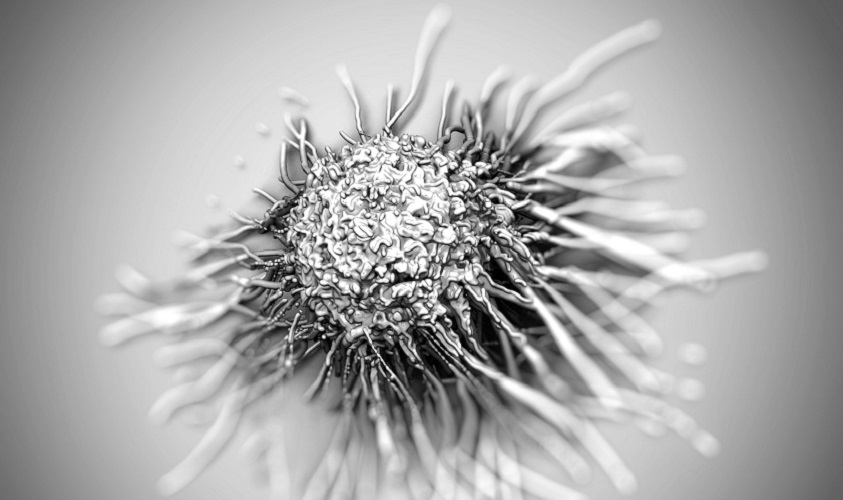
‘Velcro’ That Traps Prostate Cancer Cells
Scientists have developed an inexpensive detector that works like Velcro to capture prostate cancer cells on frosted glass slides, allowing for easy diagnosis.

Screening The Genome For Riboswitches
A genome-wide method has identified RNA aptamers that can bind to key metabolites, including vitamin B2.

Echoes Of An Ancient Bird
The super-elongated windpipe of a fossilized ‘coiled chicken’ suggests that the bird produced a deep and loud call.

The Problematic Persistence Of Nanoplastic Pollution
A team of marine biologists has found that nanoplastics accumulate in marine organisms, potentially harming aquatic food chains as well as human health.


