


IN THE LAB
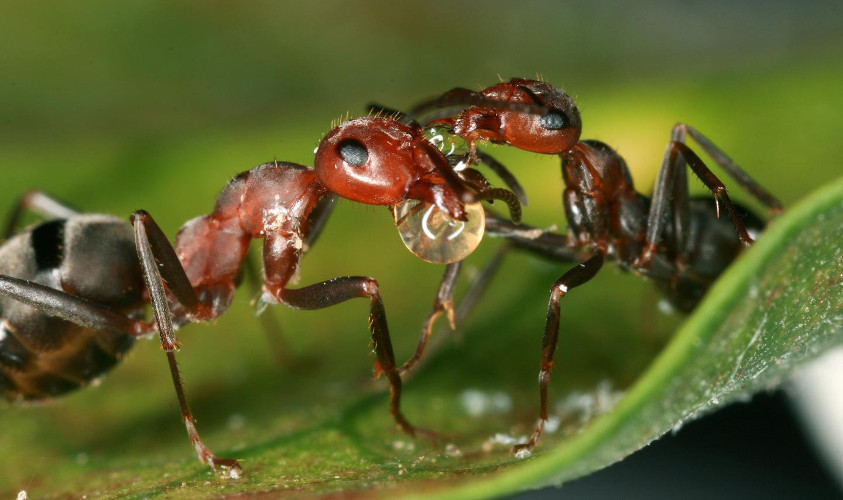
Ants Tell The Story Of Tropical Biodiversity
Researchers have studied ants to explain why biodiversity is higher in tropical regions compared to areas further away from the equator.

Muscle Loss Driven By Epigenetics Both In Space And On Earth
Scientists in Japan have identified DNA methylation as a crucial mediator of muscle loss at microgravity as well as at normal gravity.
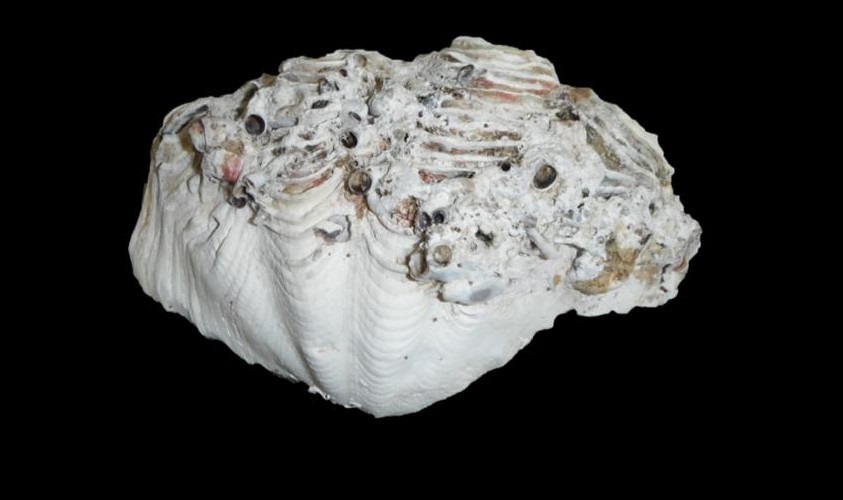
Giant Clams Tell The History Of Typhoons
A team of researchers has developed a precise method to determine past typhoon occurrences from the growth pattern and composition of giant clam shells.

Creating Custom Yeast Strains For Industry
Scientists have devised a method to ‘reshuffle’ the yeast genome, allowing them to create new yeast strains for industrial biotechnology applications.

Making A Point With Elastic Diamonds
Researchers have shaped diamonds into nanoneedles that can bend and stretch, contrary to earlier notions that diamonds are hard and brittle.

Why A Pair Of Genes Is Just Right For Cells
Haploid and tetraploid cells under- or over-produce centrosomes and microtubules respectively, leading to instability during cell division.

Sweet Potatoes May Have Originated In India
Based on the discovery of 57-million-year-old leaf fossils, scientists in India and the US suggest that the sweet potato first appeared in India.

A Peptide That Helps Plants Deal With Salt Stress
A research group in Japan has discovered a peptide that helps increase salt tolerance in plants.

Moulding Clay Into Color-Changing Films
Scientists in Japan have combined clay and dye to create a film that changes color in response to humidity.


