


IN THE LAB

Dams Threaten Chinese Sturgeon Population, Scientists Say
Scientists have found that the Yangtze dams have precipitated an ongoing decline of the Chinese sturgeon, a critically endangered fish.

Growing Skin Grafts Without Animal Contamination
Scientists have developed a human protein matrix to culture skin cells, removing the need for animal-derived components used in existing culture systems.

Different Shades Of Blue: A Closer Look At Depression
Researchers have identified three subtypes of depression, including one that is unresponsive to commonly prescribed anti-depression drugs.

Informing The Search For Superconducting Materials
Scientists in Japan have used data science methodologies to discover and develop superconducting materials.
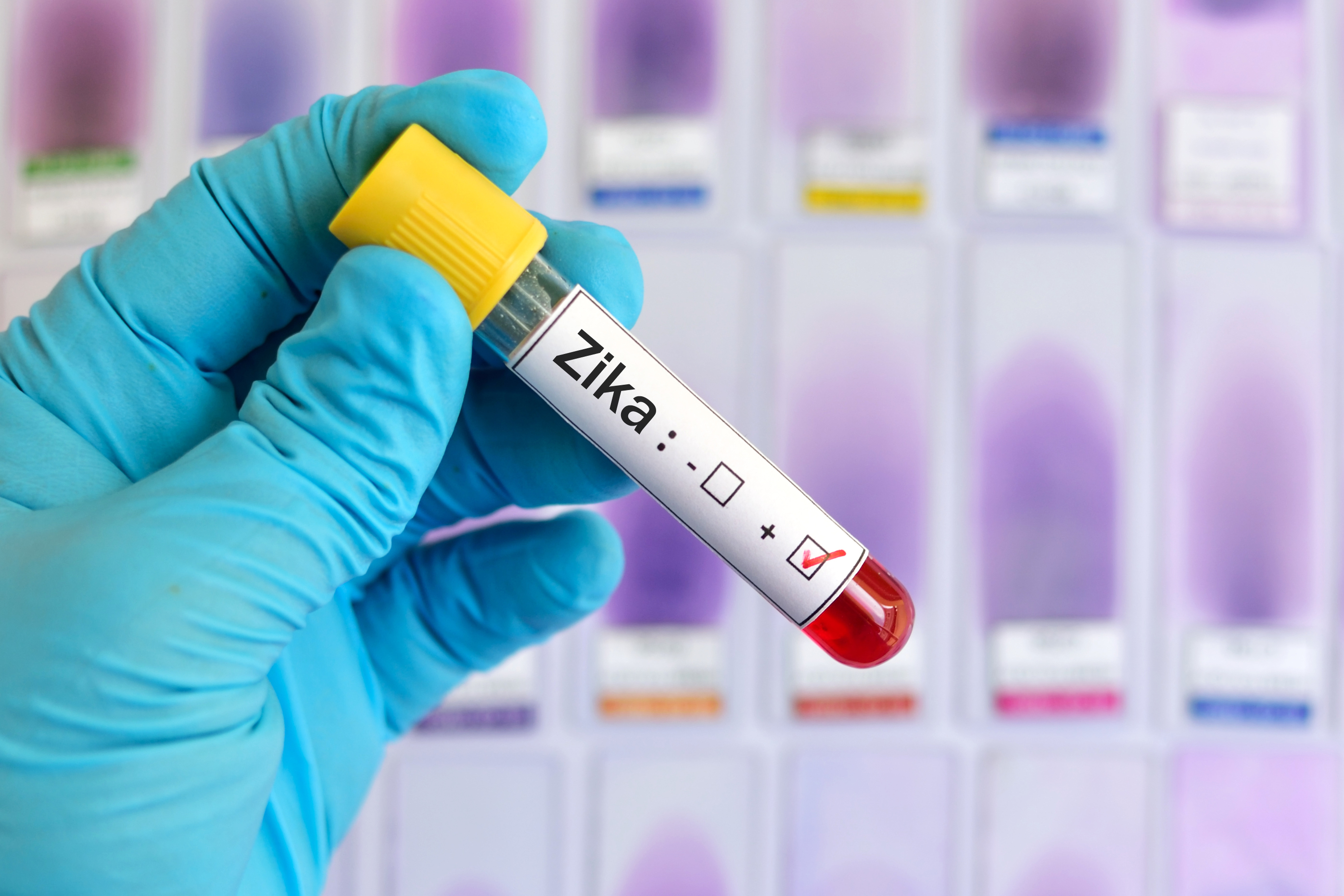
Targeting The Achilles’ Heel Of Zika Virus
Singapore-based scientists have engineered a peptide that can rupture the Zika virus membrane and pass through the blood-brain barrier, making it a potential therapeutic against the disease.

How Plants Save Energy At Night
Using a fluorescent probe that tracks ATP levels in real time, an international team of plant scientists has identified a mechanism by which chloroplasts maintain energy efficiency.

Probiotic Bacteria Keep Staphylococcus At Bay
Bacillus, a type of bacteria commonly found in probiotics, prevents Staphylococcus aureus colonization of the gut and nose, according to scientists in Thailand and the US.

Scientists Decode The Asian Catfish Genome
Researchers in Japan and Vietnam have sequenced the genome of the Asian catfish, which could help fisheries identify important genes for rapid growth and disease resistance.

Baby Mouse Tears Turn Off Female Mice
A research group in Japan has discovered a pheromone in young mouse tears that reduces female interest in sex, a finding which could be used as natural pest control.


