


IN THE LAB

Small Loans Help Increase Rice Yield In Bangladesh, Study Shows
Microfinance institutions have a positive impact on farmers, allowing them to adopt high-yield rice varieties and increase their farming output, researchers say.

Only Learn The Good Stuff—AI That Thrives On Positive Data
Japanese scientists have developed a classification strategy for artificial intelligence that allows it to form classification boundaries using only positive data.

Nanoparticles Make Metals Both Strong And Flexible
Strong alloys are typically less ductile, and vice-versa. Researchers have managed to overcome this tradeoff by including nanoparticles in the alloy fabrication process.

Putting The Brakes On Myasthenia Gravis
Targeting immune checkpoint proteins could slow the progress of myasthenia gravis, a chronic autoimmune disorder that causes serious weakening of the muscles.

Rose Myrtle Extract Contains Potent Antimicrobial Compound
Scientists in China have identified an active ingredient in rose myrtle that could be used to treat antibiotic-resistant bacteria infections.

Programming Silk For Wearable Electronics
Scientists have used calcium ions to modify silk fibroins, creating a reusable, biocompatible adhesive for electronic and pharmaceutical applications.
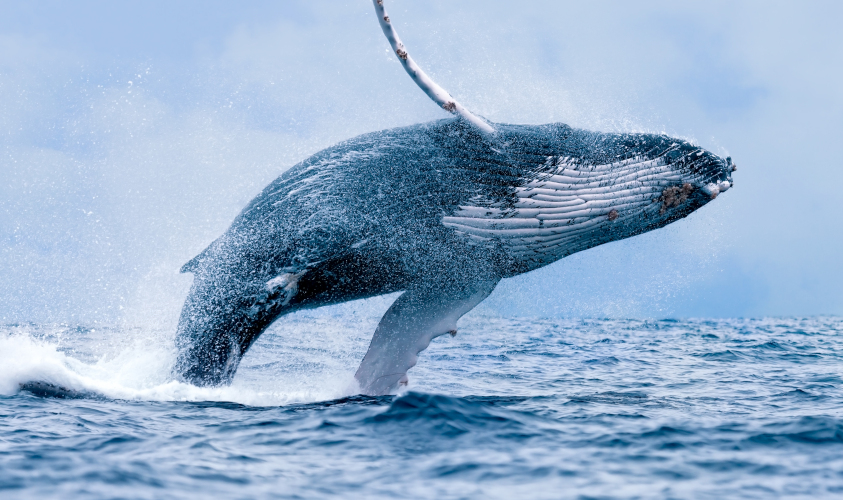
What Makes Whale Baleen So Tough?
By studying the structure of the filter-feeding apparatus of whales, researchers hope to design better materials for the maritime industry.

Nanopore Sensor Speeds Up Influenza Detection
A research group in Japan has devised a highly specific diagnostic tool backed by artificial intelligence for rapid detection of the influenza virus.

Commute Or Switch Jobs? 45 Minutes Marks The Threshold
According to research by Chinese scientists, 45 minutes of commute time is an inflection point for switching jobs or housing location.


