


IN THE LAB
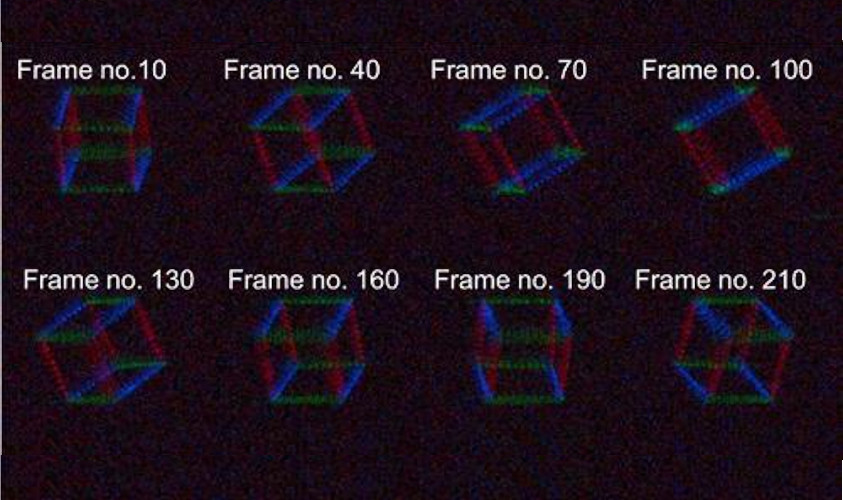
Pinholes Filter Photons For Better 3D Holographic Displays
By placing a titanium film riddled with holes behind an off-the-shelf LCD display, scientists in South Korea found a straightforward way to produce holograms.

A Light To Guide Stem Cells To Sites Of Injury
Scientists in China have designed a light-activated 'remote control' to target stem cells towards wounds.

A Wrinkled Approach To Producing Plant Oils
Singapore-based scientists have modified the Wrinkled1 gene in plants to raise seed oil yield by up to 15 percent.

How Insects Develop Nanopores For Sniffing
A gene, called gore-tex, is responsible for forming nanopores on the olfactory organs of insects, say researchers in Japan.
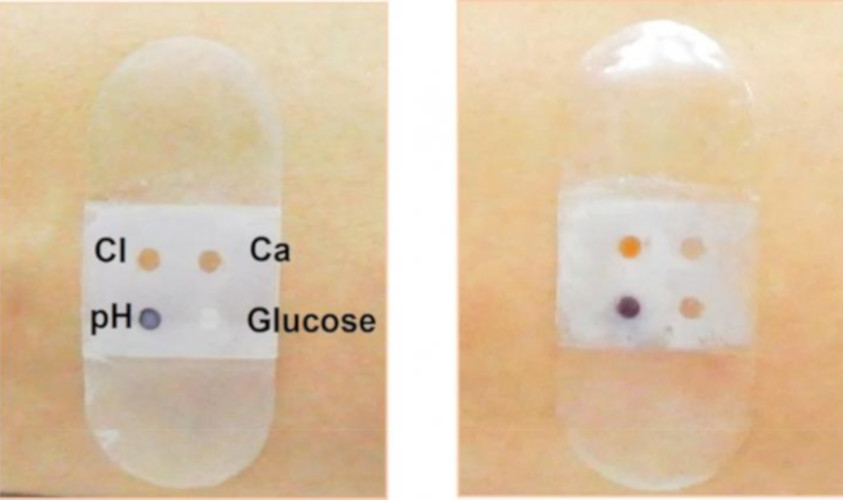
Biosensor Bandage Samples Sweat
Using their adhesive biosensor, researchers in China were able to measure the pH of sweat, as well as the concentration of glucose, calcium and chloride in the biofluid.

Dehusk Before Parboiling To Reduce Arsenic Levels In Rice
An international team of scientists showed that parboiling wholegrain rice reduced inorganic arsenic levels by 25 percent while more than doubling calcium content of the grains.

Scientists Uncover New Mongolian Dinosaur Species
Researchers in Mongolia and Canada reported that the new species sheds light on the evolution of hadrosaurs, dominant herbivores of the Late Cretaceous.

A One-Step Process To Make ‘Green’ Plastics
An international team of scientists has developed a straightforward method to produce bio-based plastics.

Algorithm Improves Quantum Computer Efficiency
Combinatorial optimization problems can now be solved more efficiently with an algorithm developed by Tohoku University researchers.


