


IN THE LAB
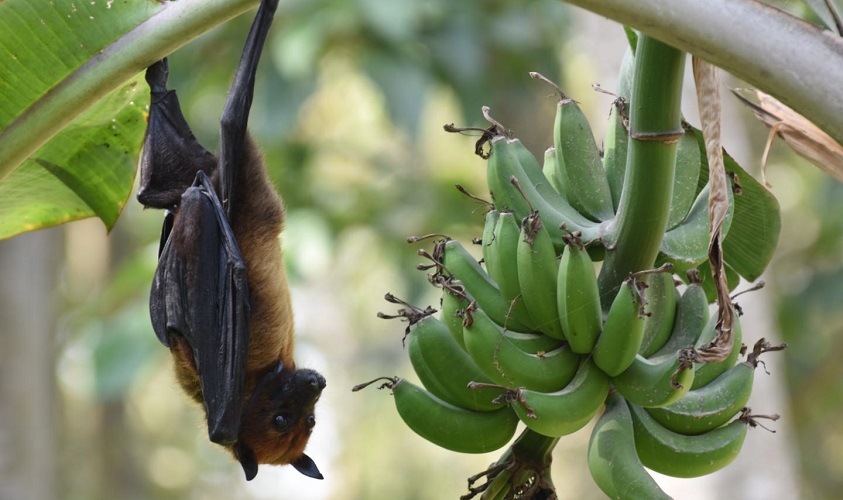
Machine Learning Spots Bat Species Likely To Spread Nipah
Scientists have developed a machine learning model that predicts which bat species have the potential to spread the deadly Nipah virus in India.

How Pluto And Other Trans-Neptune Objects Formed
Computer simulations modeling the formation of trans-Neptunian objects could help us understand how the entire Solar System came about.

Detecting Alzheimer’s Disease With A Blood Drop
Researchers in Singapore have developed a diagnostic kit that could help diagnose Alzheimer’s disease using a simple blood test.

To Chill, Just Squeeze
Scientists in Japan have developed a new type of refrigeration that generates a liquid-to-gas transition when a nanosponge is squeezed.
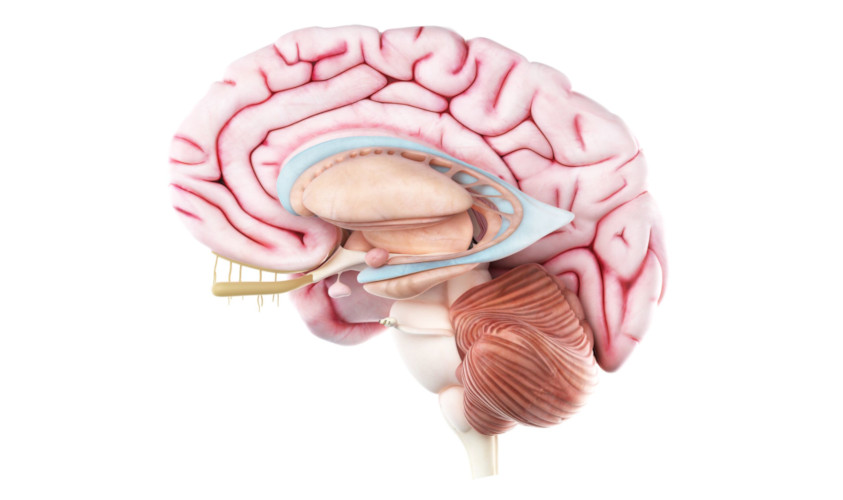
The Anatomical Link Between Cognition And Perception In Autism
The posterior superior parietal lobule links behavioral inflexibility and perceptual rigidity in patients with autism, scientists say.

Distinguishing Molecular ‘Evil Twins’
A membrane made of 2D layers can catch left-handed molecules while allowing the right-handed ones to be transported away, resulting in high separation efficiency.

Turning Graphene Into A Bacteria Sensor
When combined with microfluidics and antibodies, graphene can become a powerful bacteria biosensor, researchers say.
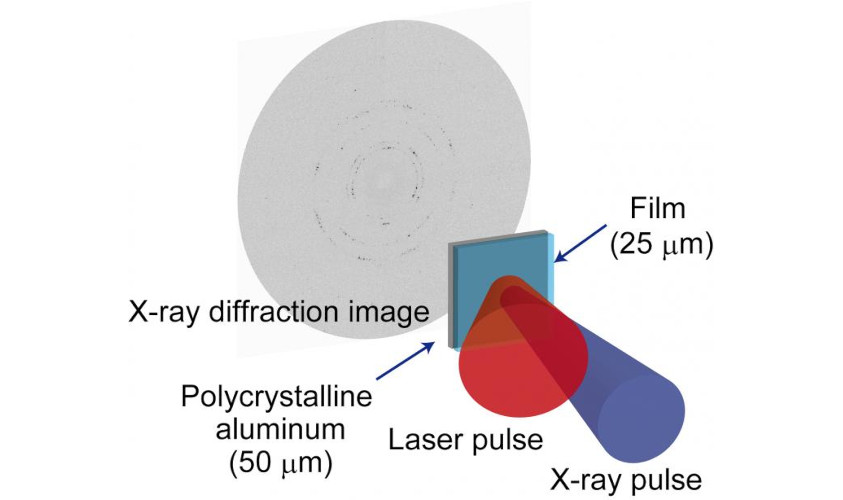
The Science Of How Stuff Responds To Shock
Scientists have captured the deformation effect of shock waves on a material using x-ray diffraction.

Stacking Graphene Enhances Its Performance
Stacking 100 graphene layers together helps gets the most out of graphite, researchers in South Korea have found.


