


IN THE LAB

Helping Manganese Split Water Efficiently
Scientists have successfully mimicked photosynthesis, using a manganese-based catalyst to split water at a neutral pH.
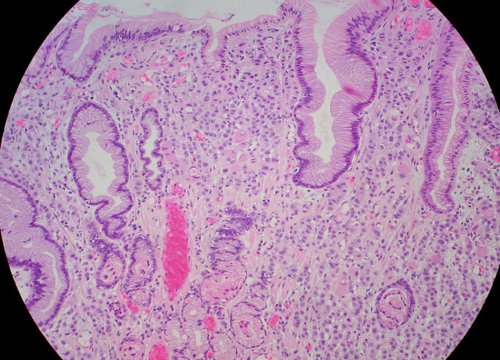
“Cryptic Promoters” Drive Stomach Cancer
Using a new technique called Nano-ChIPseq, scientists have found that stomach cancer is driven by mutations in regions of the genome known as cryptic promoters.
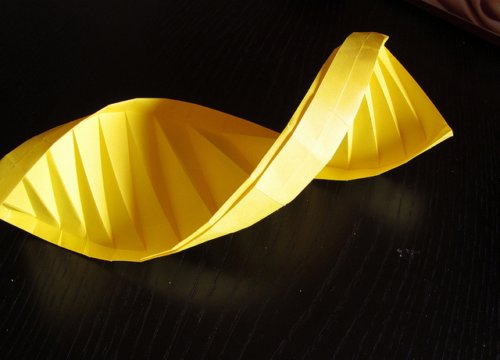
DNA Origami Delivers Anti-Cancer Drug
DNA origami could be used to deliver harmful anti-cancer drugs in a more targeted fashion, study shows.
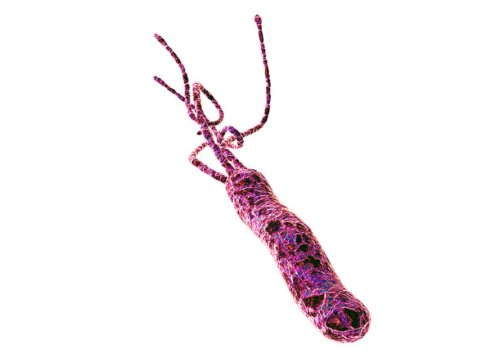
Immune Protein Could Fight Gastric Cancer
Normally only produced by immune cells, IL23A has now been shown to be important in the response to H. pylori infection which could lead to gastric cancer.

Bringing The Bling To Antibacterials
Gold nanoparticles, which are well tolerated by the body and bactericidal in the dark, could be used to prevent biofilms from forming on medical implants, scientists show.
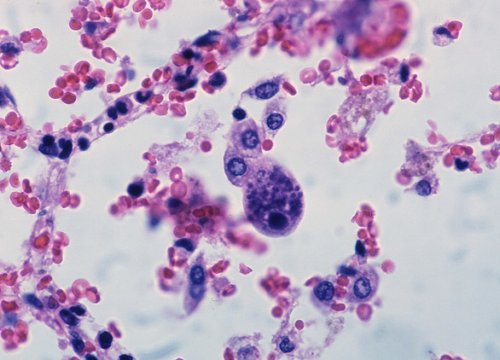
How Viruses Mimic The Immune System To Evade It
Researchers have determined the structure of a protein that enables cytomegaloviruses to escape detection by the immune system, m04 immunoevasin.
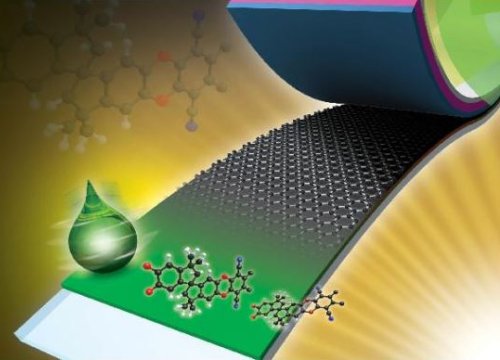
Bypassing Graphene With Polymers
Scientists have synthesized a defect-free graphene-like material using polymers, accelerating the development of cheap and efficient solar cells.

The Unexpected Role Of B Cells In The Thymus
Once assumed only to produce antibodies, B cells have now been shown to also participate in the creation of T regulatory cells.
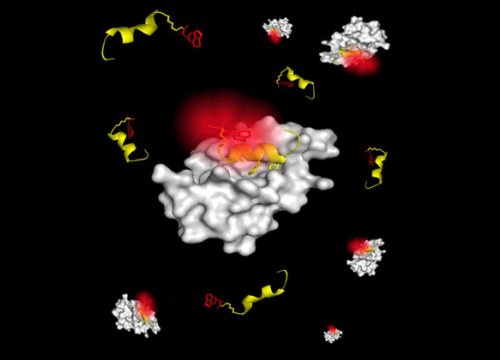
Finding New Cancer Drugs With Fluorescent Rotors
Scientists have identified 15 potential cancer drug candidates using a novel fluorescent rotor approach.


