


IN THE LAB
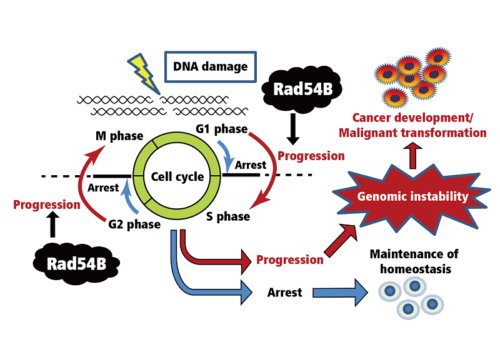
How DNA Damage Leads To Cancer
Scientists have identified the protein Rad54B as a key regulator of genomic stability, making it a potential target for cancer therapy.
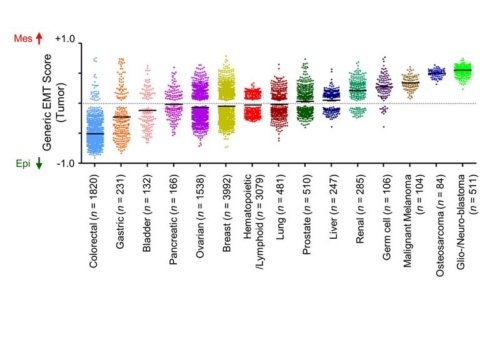
Predicting The Ability Of Cancer Cells To Spread
By monitoring the epithelial-mesenchymal transition, researchers are able to predict how aggressively a cancer will spread.

How Slime Mold Move Long Distances
A study of how slime molds sense direction could lead to a better understanding of wound healing and immune cell migration in humans.

Genome Of Anti-Cancer Fungus Sequenced
Known to be rich in anti-tumor terpenes, the Antrodia cinnamomea fungus has had its genome sequenced.
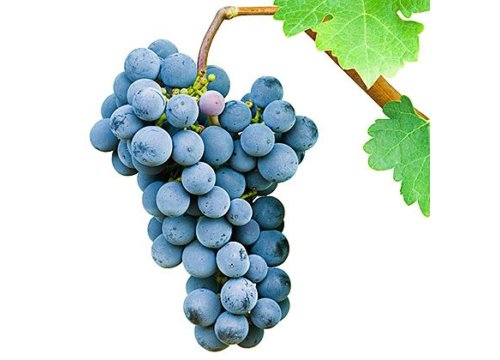
Pinot Noir Grapes Owe A Debt To Ancient Viruses
Viruses have shaped the evolution of Pinot Noir grapes, scientists say.
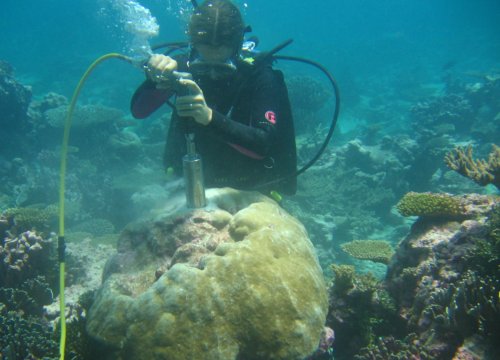
Ocean Primed For More El Niño
A study of 60 years of coral records reveals that the oceans are getting warmer, potentially altering the patterns of rainfall and drought.

Making Bone Marrow Transplants Safer
A drug already approved for rheumatoid arthritis could also help prevent graft-versus-host disease in bone marrow transplant recipients.

Changing Magnetic States
Scientists have demonstrated a new type of spin gas-liquid transition in quantum magnets.
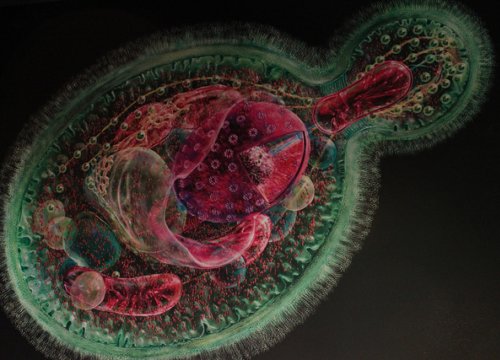
Putting The Brakes On DNA Replication
Modifying histone by adding a single molecule of ubiquitin can help to slow down DNA replication and prevent errors during times of cellular stress.


