


IN THE LAB

Fast Evolving Flu Viruses Spread More Among Adults
Scientists have shown how both human behavior and virus biology affect which strains of influenza are in circulation.

Capillary Force Helps Nanostructures Self-Assemble
By combining laser printing and capillary action, researchers have developed a highly tunable method to synthesize nanostructures.

Chinese Herb Promotes Brain Cell Proliferation
Extracts of the traditional Chinese herb Rhizoma Acori tatarinowii have been shown to boost neurogenesis, at least in mice.

Early Clinical Trial Success For Rheumatoid Arthritis Vaccine
A small clinical trial has shown that a dendritic cell-based vaccine against citrullinated peptides could treat rheumatoid arthritis.
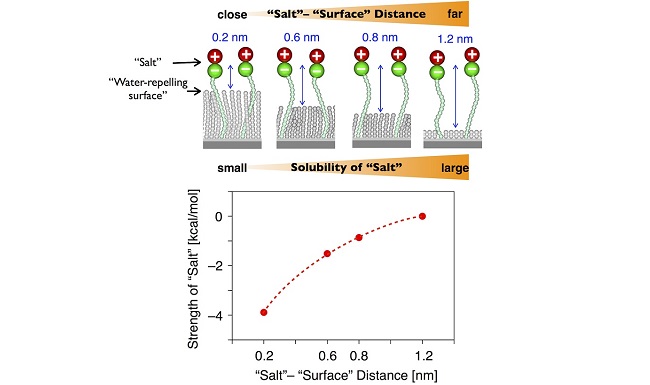
Hydrophobic Surfaces Reduce Salt Solubility In Water
Hydrophobic or water-repelling surfaces can influence the solubility of salts in water, a finding which could inform the design of drugs and self-cleaning surfaces.

Changing Elements Boosts Battery Storage Capacity
Electrochemically inactive lithium oxides can be modified into high capacity electrodes for rechargeable batteries, study says.

Computer Games Might Benefit Children With ADHD
A small pilot study has shown that game-based neurocognitive training could help manage the symptoms of ADHD in children.
World’s Largest Laser Used To Heat Fusion Fuel To 20,000,000°C
In the future, lasers such as the world's largest petawatt laser—the LFEX—could be used to achieve nuclear fusion.
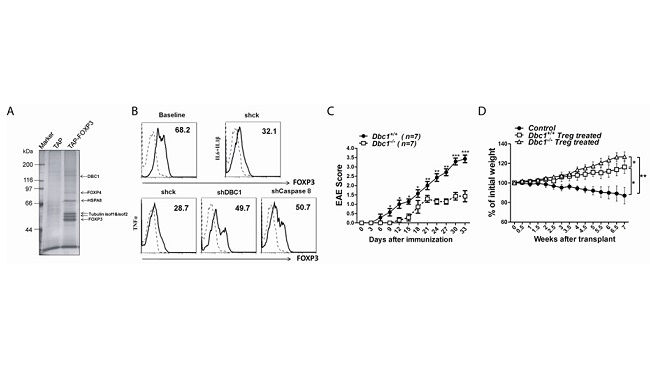
How Inflammation Switches Off Tregs
DBC1, which has recently been shown to decrease the stability of immune suppressing transcription factor FOXP3, could be a therapeutic target for autoimmune diseases.


