


IN THE LAB

How Blind Football Players Stay On The Ball
Out of sight, out of mind? Not quite—by rotating their heads, blind footballers can accurately track incoming balls.

AI Identifies A Three Punch Combo Against COVID-19
With the help of artificial intelligence platform IDentif.AI, scientists have found that a combination of remdesivir, ritonavir and lopinavir may effectively treat COVID-19.

Rethinking The Rise Of The Third Pole
Researchers from China have found that the Tibetan plateau—also known as the world’s Third Pole—rose to its current height much later than previously thought.

Automating The Evolution Of Antimicrobial Resistance
To deepen their understanding of antimicrobial resistance, researchers have developed a robotic system that could evolve bacteria in bulk after exposure to different antibiotics.

Playing Hide And Seek With Medicinal Plants
By blending in with its surroundings, a plant traditionally used in Chinese medicine has evolved to evade harvesting by humans.

Predicting Drug Response With Precision
In another step towards personalized medicine, Singapore-based researchers have identified a biomarker that could predict which cancer patients respond best to treatment.
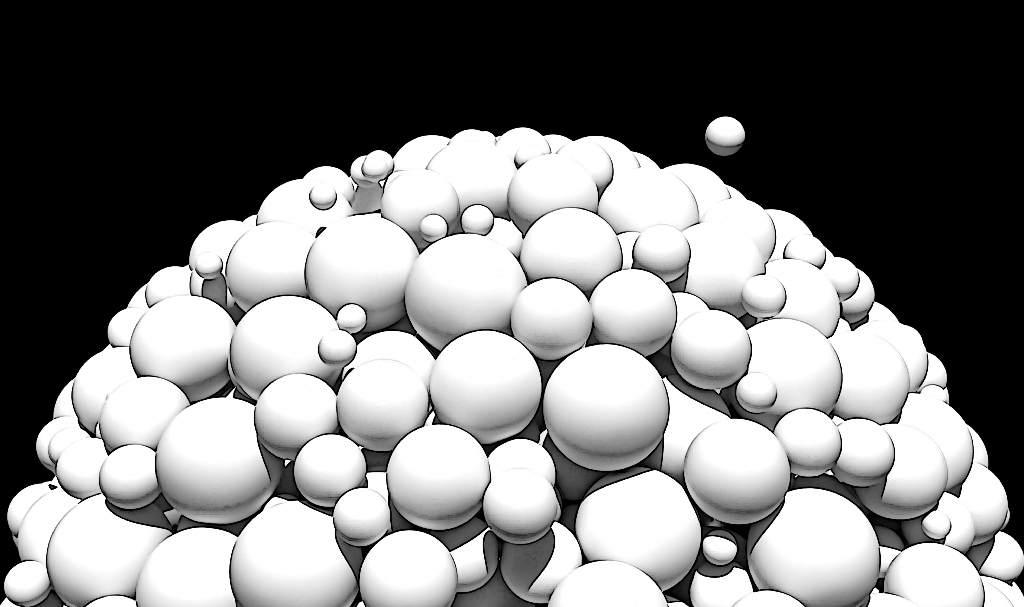
Manipulating Materials On The Quantum Scale
With the help of tiny scaffolds called dendrimers, researchers from Japan have developed a new way to precisely control the production of quantum-sized materials.

What Algorithms Can Teach Us About Art
An algorithm has shown that landscape paintings over the past five centuries are surprisingly similar, suggesting selection bias.

Monkey See, Monkey Do: Mimicking COVID-19 in Macaques
A rhesus macaque model of COVID-19 suggests that primates can shed SARS-CoV-2 virus from the nose and stool for nearly a month after infection.


