


IN THE LAB
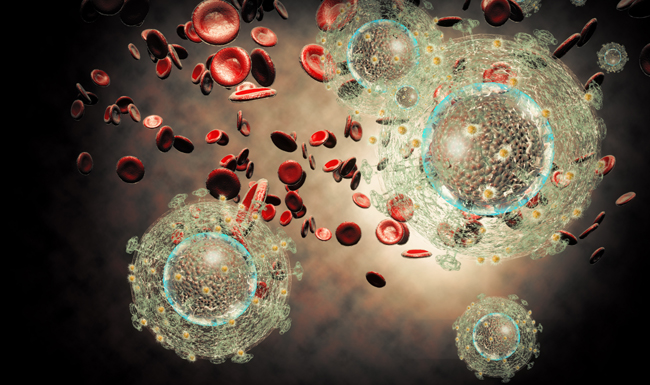
An Alternative Strategy For Treating Leukemia
Researchers have discovered that the GCN5 enzyme plays a key role in disrupting healthy white blood cell formation.

Carbon Nanotubes, Unzipped
Like folding paper to make a tear neater, doping carbon nanotubes makes it easier to unzip them without damaging their nanostructure.

Last Alkane Standing Finally Yields Its Bonds
A powerful combination of computational and experimental chemistry has yielded a catalyst which can break the extremely strong bonds of methane.

Fossils Suggest Hominids Had Larger Range Than Previously Thought
Australopithecus afarensis fossils found near Nairobi show that the range of ancient hominids extends to the east of the Great Rift Valley.

Tropical Ecosystems Pay Heavy Price For International Trade
Because they are underpaid for their products and face a disproportionate loss of ecosystem services, tropical countries are effectively subsidizing international trade to the tune of US$1.7 trillion per year.

China’s Bittersweet Success At Halting Forest Loss
Although satellite images show that tree cover in China is on the rise, unsustainable wood imports mean the problem may just be shifting elsewhere.

Blocking MicroRNAs To Prevent Osteoporosis
Targeting the microRNA miR-214-3p, which is found at elevated levels in elderly females, could help to treat osteoporosis.
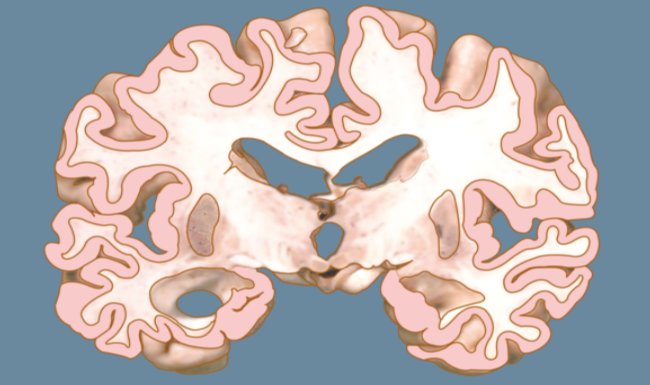
Treating Huntington’s With Gene Knockout Might Be Safe For Adults
Although deleting the huntingtin gene is lethal for young mice, it appears to safely treat the disease in adult mice.

Magnetars Could Explain Super Bright Supernovas
Neutron stars called magnetars could be the power behind super-luminous supernovae, which are 10 to 100 times brighter than normal supernovae.


