


IN THE LAB

Ice Age Eurasians Lost Neanderthal DNA As They Migrated
Upon arrival in Europe some 45,000 years ago, ancient Eurasians began to lose some of their Neanderthal DNA, study shows.

Slow Seabed Slips Linked To Tsunami Earthquakes
Slow slips have the potential to become the epicenter of major tsunami earthquakes; in fact, one was recorded a month prior to the 2011 Tohoku-Oki Earthquake.

Animals Vital For Preserving Carbon-Storing Forests
Animals play a vital role in dispersing seeds of carbon-storing trees, thereby affecting climate regulation by tropical forests.

How Prehistoric Birds Dealt With Fish Bones
Scientists in China have found a bird fossil including a gastric pellet containing fish bones—evidence of modern avian digestive features.
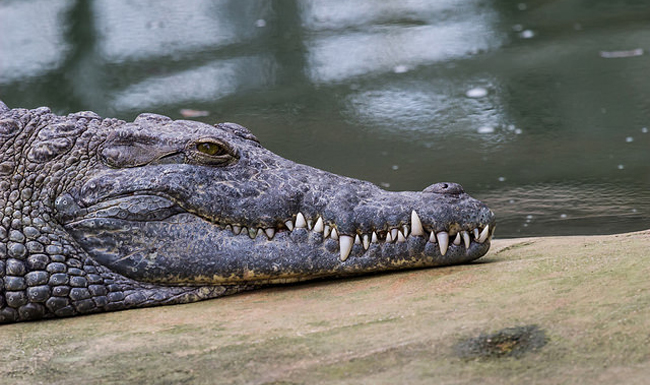
Crocodile Sperm Swim Like Human Ones
Studying crocodiles could help us understand male infertility in humans, since their sperm also continue to mature as they ‘swims’ towards the egg.

What’s That Smell? Musk Receptor Identified
A single olfactory receptor protein, OR5AN1, affects the perception of musk odor in both mice and humans.

Primate Fossils In China Tell Story Of Ancient Climate Change
The bone fragments of six ancient primate species reveal that anthropoid primates sought warmer Asian climates for survival.

Female Hormone Drug Could Help Treat Asthma
Relaxin, a hormone produced during childbirth, is anti-fibrotic—a characteristic that could help treat lungs damaged by asthma.

Save The Javan Leopards, Say Indonesian Researchers
Based on their evolutionary history, Javan leopards are distinct from Asian leopards and are vulnerable to extinction.


