


IN THE LAB

Understanding The Violent Collisions That Power Supernovae
Scientists have simulated the violent collisions between superluminous supernovae and its surrounding gas, which then emit extreme brightness.

The Medaka Fish’s Fear Response: Same Same But Different
The way the medaka fish responds to danger could also give scientists a better understanding of panic disorders and fear in humans.

Metabolite That Makes Colorectal Cancer More Aggressive Identified
A metabolite called D-2-hydroxyglutarate has been found to make colorectal cancer cells more invasive.
When Light Interacts With Atoms, Shape Matters
Scientists in Singapore have shown that a photon’s shape affects how it is absorbed by a single atom.
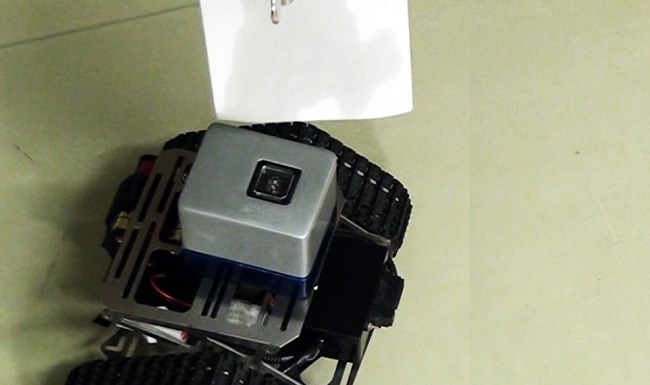
Mosquito Protein Sensor Can ‘Smell’ Human Sweat
This robot is equipped with a mosquito antenna protein that enables it to detect the odor of human sweat.

As The Planet Heats Up, Fairy-Wrens Lay Larger Eggs
Superb fairy-wrens have the ability to change the size of the eggs they lay, as larger chicks have a better chance of survival in hotter environments.

Guess What, Parents? Toddlers May Know When You’re Lying
Toddlers as young as two-and-a-half years old can understand when others have thoughts that are different from theirs, and can process false beliefs.
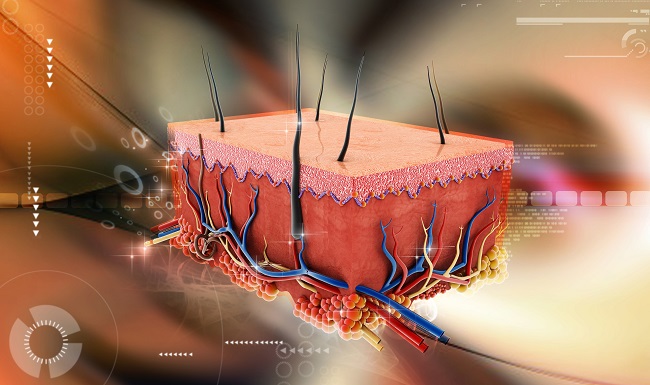
Here’s Why Our Skin Doesn’t Leak
Epidermal cells look like a flattened version of a tetrakaidecahedron—a 14-sided, 3D solid made out of six rectangular and eight hexagonal sides.

Researchers Observe Superconductivity In Bismuth Crystal
A group of Indian scientists has discovered that a high-quality single crystal of bismuth can act as a superconductor.


