


IN THE LAB
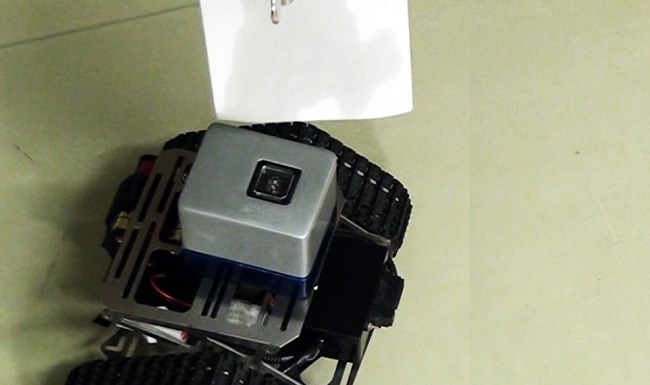
Mosquito Protein Sensor Can ‘Smell’ Human Sweat
This robot is equipped with a mosquito antenna protein that enables it to detect the odor of human sweat.

As The Planet Heats Up, Fairy-Wrens Lay Larger Eggs
Superb fairy-wrens have the ability to change the size of the eggs they lay, as larger chicks have a better chance of survival in hotter environments.

Guess What, Parents? Toddlers May Know When You’re Lying
Toddlers as young as two-and-a-half years old can understand when others have thoughts that are different from theirs, and can process false beliefs.
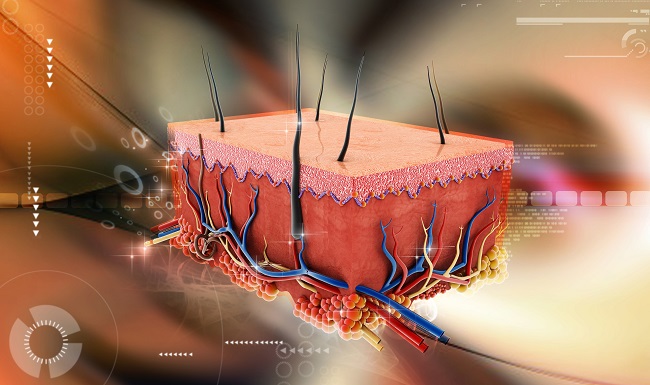
Here’s Why Our Skin Doesn’t Leak
Epidermal cells look like a flattened version of a tetrakaidecahedron—a 14-sided, 3D solid made out of six rectangular and eight hexagonal sides.

Researchers Observe Superconductivity In Bismuth Crystal
A group of Indian scientists has discovered that a high-quality single crystal of bismuth can act as a superconductor.

Could Asteroid Impacts Have Created Niches For The Beginnings Of Life?
The impact of large asteroids millions of years ago could have deformed rocks in such a way that creates environments conducive to early life.

Researcher Discovers New Catfish Parasite Species In His Spare Time
Curiosity killed the cat(fish). A Japanese scientist has discovered a new species of fish parasite from invasive catfish he caught out of curiosity.

Crack In The Earth’s Magnetic Shield Detected
A 2015 geomagnetic storm created cracks in the Earth's magnetic field, allowing cosmic rays to enter our atmosphere.

The Ups And Downs Of Hibernation-Like Daily Torpor
The key to the state of daily torpor, researchers have found, is reduced sensitivity to the fall of body temperature.


