


IN THE LAB

Mammals Use RNA Interference Too
Like plants and invertebrates, mammalian cells also use RNA interference to protect themselves against viral infections.

Serotonin Makes ‘Autistic’ Mice More Sociable
Serotonin, the ‘feel-good neurotransmitter’, has been shown to improve sociability in a mouse model of autism.

How Uterine Fluid Informs The Fetus
Uterine fluid, which contains molecules that can reprogram a developing embryo, could one day be used as a biomarker of fetal health.

3D Bone-Like Tissues Grown From Stem Cells
Researchers have generated 3D bone-like tissue using pluripotent stem cells, demonstrating the potential of regenerative medicine.

Dark Matter Decays Faster In The Milky Way
Researchers in India have proposed a theory to predict the peculiar annihilation behavior of dark matter in the Milky Way.

Supernovae Likely To Be Powered By Neutrinos
Using computer simulations, scientists have found evidence that massive supernovae formed from the explosion of neutron stars are triggered by escaping neutrinos.

Why The Same Smell Makes Males Aggressive And Females Amorous
A pheromone secreted from the tear glands of male mice triggers different signals in male and female brains.
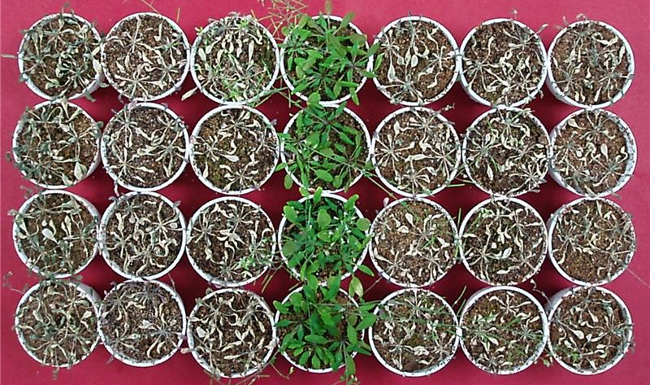
Vinegar Can Help Plants Survive Drought
Using acetic acid, also known as vinegar, could be a simple and inexpensive way to increase drought tolerance in plants like rice, wheat and maize.
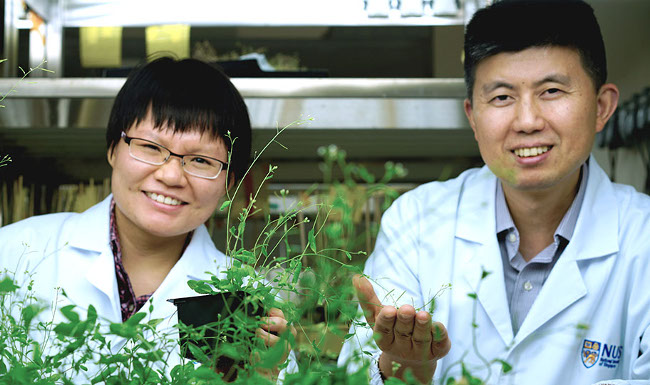
Plants ‘Sacrifice’ New Stem Cells To Survive The Cold
In the face of low temperatures, daughter stem cells die in order to protect other stem cells in the roots of plants.


