


IN THE LAB

Brain Disorders Get A Gut Check
Certain gut bacteria promote degeneration of neurons causing medical conditions such as Parkinson’s disease, researchers from Hong Kong have found.
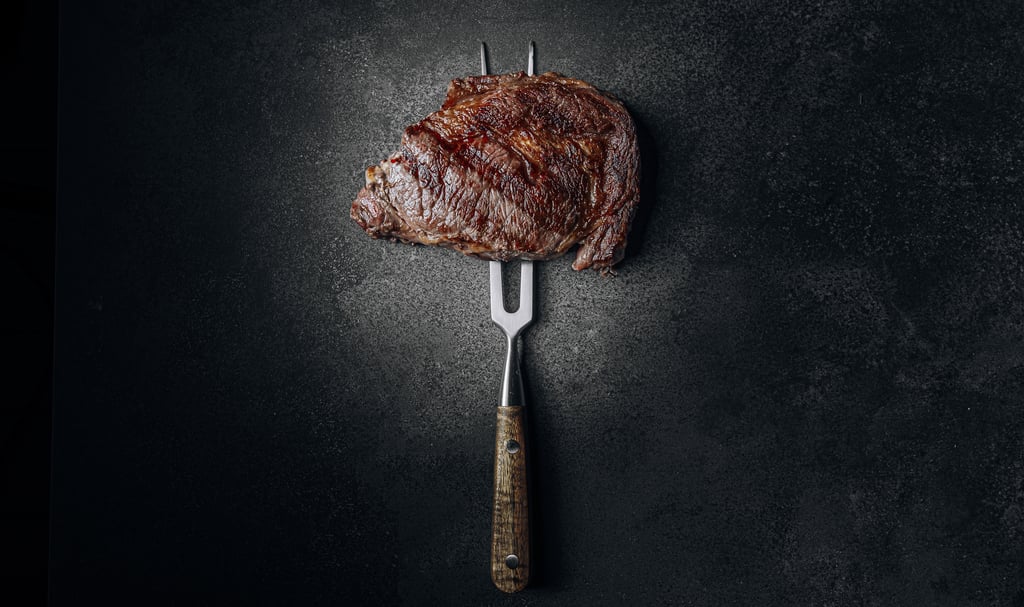
The Meaty Culprits Behind Air Pollution-Linked Deaths
Shifting to a less meat-intensive diet could reduce air pollution and avoid 75,000 annual premature deaths in China.
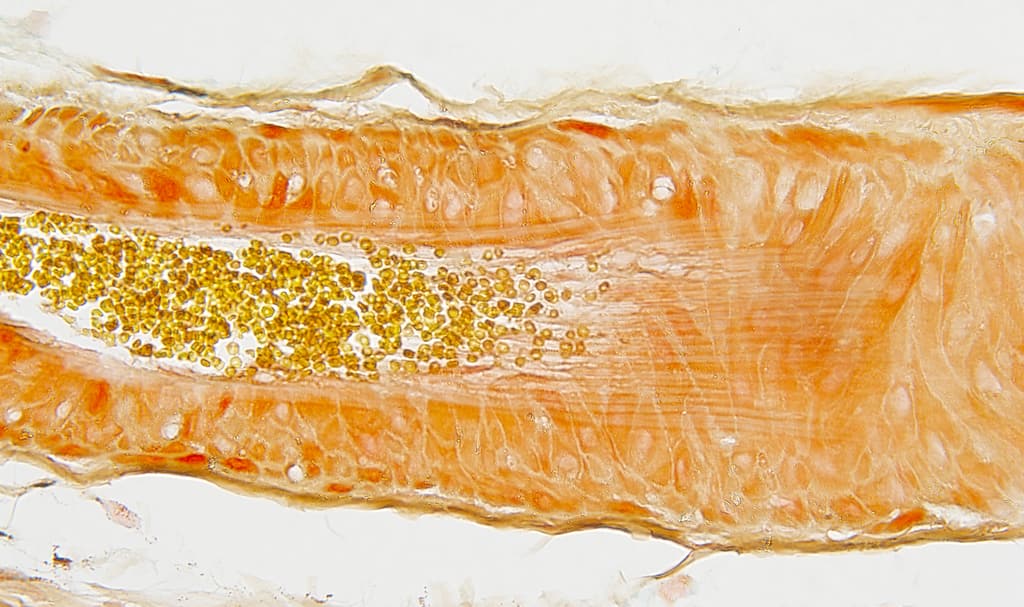
Ensuring Transplant Success With Artificial Blood Vessels
To reduce the risk of a rejected organ transplant, a team from South Korea has built an artificial blood vessel platform that mimics real blood flow and clotting.

Turning Pollen Into Printing Ink
Researchers from Singapore have repurposed sunflower pollen into a sustainable and affordable bioprinting ink with applications in tissue engineering and drug delivery.

The Cost Of Disturbed Circadian Rhythms
Researchers from India have shown that long-term circadian rhythm disruption causes Alzheimer's-like symptoms in rats.

Two Sides Of The Same Plant: Mismatched Responses To Warming
Climate warming induces different responses in plant growth patterns above and below ground, potentially disrupting ecosystem stability.

A Closer Look Into The Ryugu Asteroid
Primordial material taken from the asteroid Ryugu could shed light on the origins and evolution of the Solar System, including life on Earth.

Making MRI Machines Cheaper And More Accessible
A new MRI machine designed by researchers in Hong Kong could cost less than US$20,000 to build and operate using a standard AC power outlet.

Pretty Grape: How Grape Seed Extract Makes Mice Live Longer
Research from China demonstrates that a flavonoid extracted from grape seeds increases the lifespan of old mice by killing cells that promote aging.


