


IN THE LAB
Extending The Range Of Water-Splitting Light
A team of researchers have produced hydrogen fuel from water using less energetic near-infrared light.
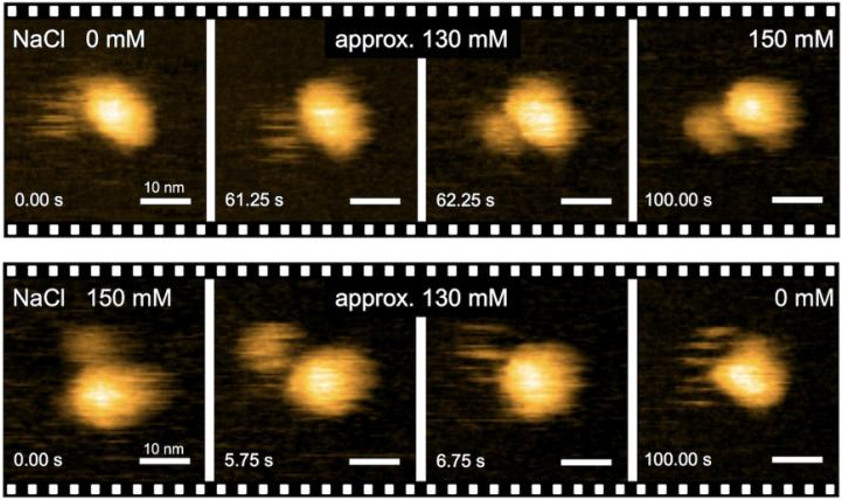
How Bacterial Motors Shift Into High Gear
Using high-speed atomic force microscopy, scientists in Japan have uncovered the mechanism by which bacterial motors are assembled and activated.
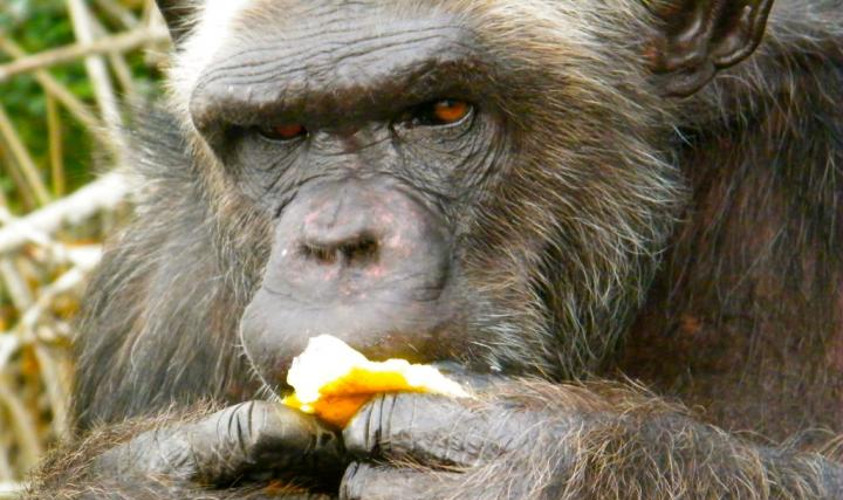
Just Like You, Chimpanzees Get Disgusted Too
Scientists in Japan have found that there may be a protective basis for the emotion of disgust in primates.

Flower Disguises As Mushroom To Get Pollinated
Scientists in Japan have discovered that the flowers of the ‘cast iron plant’ mimic mushrooms to attract fungus gnats, which assist with pollination.

Mouth Bacteria Can Mess Up The Gut
Researchers in Japan have demonstrated that oral bacteria can colonize the gut and contribute to inflammatory bowel disease.

A Searchlight For Diseased Tissues
Scientists have created nanoparticles that are 20 to 120 times more sensitive than existing disease imaging methods.

CRISPR Caught In The Act
Using high-speed atomic-force microscopy, scientists in Japan have observed how the CRISPR/Cas9 complex cuts DNA in real-time.

Using Proteins To Protect Proteins
By using bacterial proteins as a protective shell, researchers in Singapore have developed a method to improve the yield of target proteins by 100-fold.

Butterfly Wings Inspire Heart Drug Testing Platform
Scientists in Japan have applied the principles of structural color to a device that could be used to test the effect of drugs on heart cells.


