


Asian Scientist Newsroom

ABOUT
Asian Scientist Magazine is an award-winning science and technology magazine that highlights R&D news stories from Asia to a global audience. The magazine is published by Singapore-headquartered Wildtype Media Group.
Stories by Asian Scientist Newsroom

Rooting Life Science Research In Reliability
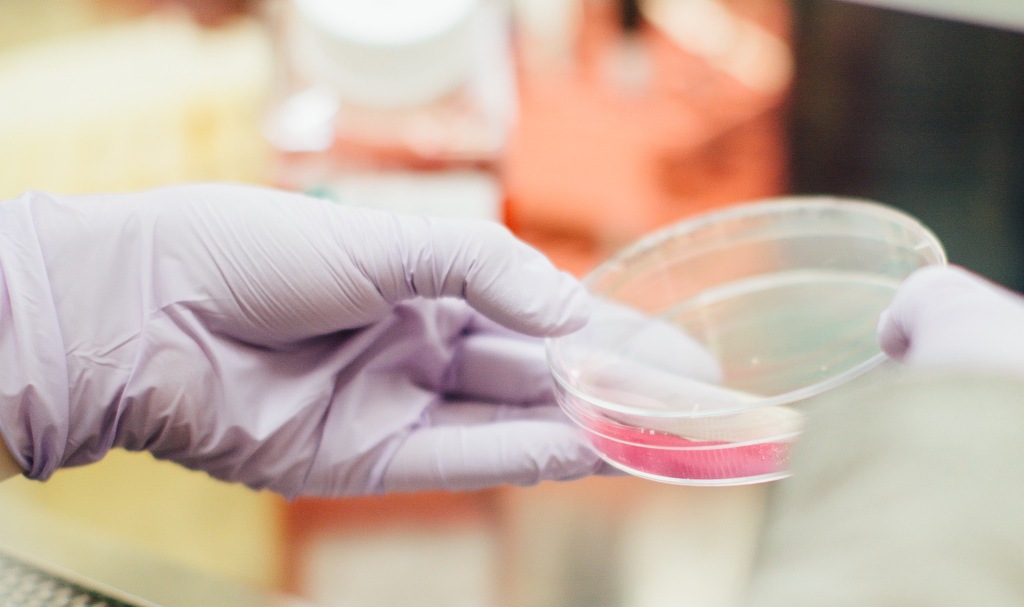
Having the right laboratory balances and water purification systems not only helps to optimize workflows, but also ensures consistency and repeatability in life science research.

Streamlining Robust Cell Line Development
Novel bioprocessing technologies can enable the development of robust, high-yield cell lines, supporting advances in biomedical research and pharmaceutical innovation.

All Seeing Artificial Eyes
360-degree vision is now possible with a novel artificial vision system inspired by fiddler crab’s eyes, reports researchers from South Korea and the United States.
Lenovo Accelerates Genomic Research With The Power Of HPC And AI
Sinisa Nikolic, Asia Pacific Director of HPC and AI at Lenovo ISG tells us how their latest tool can help researchers map the genomes of a cohort of people 188 times faster than before.

Trusting At Face Value
Researchers from Japan discover that greater levels of facial similarities in individuals of the same sex can increase perceived trustworthiness.

World’s First Kale-Based Prebiotics Made Especially For Asians
Left-over kale stems in its powder form could help improve digestive health for Asians.

Visionary Insight Into Dementia
Sight impairment could increase one’s risk of developing dementia, finds a research team from China and the United States.

Roads And Railways: Death Traps For Tigers
Expanding transportation network through Chitwan National Park in Nepal could reduce tiger numbers, reveals a study.

Travel Therapy
Tourism may soon be recognised as a dementia intervention by providing an experience which resembles current cognitive stimulation therapies, reveals a study.