


Asian Scientist Newsroom

ABOUT
Asian Scientist Magazine is an award-winning science and technology magazine that highlights R&D news stories from Asia to a global audience. The magazine is published by Singapore-headquartered Wildtype Media Group.
Stories by Asian Scientist Newsroom

Distinguishing Molecular ‘Evil Twins’
A membrane made of 2D layers can catch left-handed molecules while allowing the right-handed ones to be transported away, resulting in high separation efficiency.

A Wearable Voice Recognition Sensor
A Korean research group has developed a skin-attachable vibration sensor for voice recognition.

China Faces The Challenge Of Chronic Disease
Chronic conditions have surpassed infectious diseases as the leading causes of premature death in China, a new study shows.

Study: Farm Work By Women Drives Malnutrition In India
Women’s agricultural labor a key factor in malnutrition, according to a study of 12 villages in India.

Training Robots To Copy Human Movements
Soft robots can now learn how to perform complex movements simply by mimicking the muscle contractions of humans.

CAR-T Therapy Shows Promising Results Against Myeloma
Innovent Biologics' CT103A, a promising therapy for tough-to-treat blood cancer, has shown positive results in clinical trials.

Turning Graphene Into A Bacteria Sensor
When combined with microfluidics and antibodies, graphene can become a powerful bacteria biosensor, researchers say.
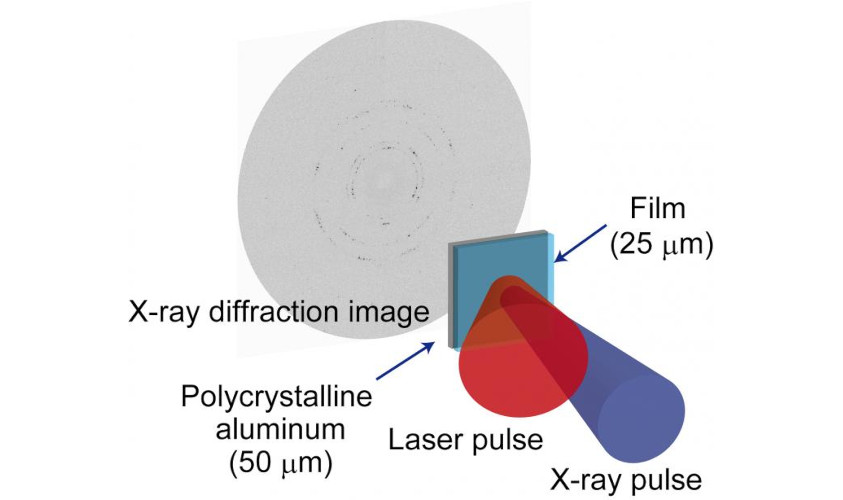
The Science Of How Stuff Responds To Shock
Scientists have captured the deformation effect of shock waves on a material using x-ray diffraction.

Stacking Graphene Enhances Its Performance
Stacking 100 graphene layers together helps gets the most out of graphite, researchers in South Korea have found.