


Asian Scientist Newsroom

ABOUT
Asian Scientist Magazine is an award-winning science and technology magazine that highlights R&D news stories from Asia to a global audience. The magazine is published by Singapore-headquartered Wildtype Media Group.
Stories by Asian Scientist Newsroom
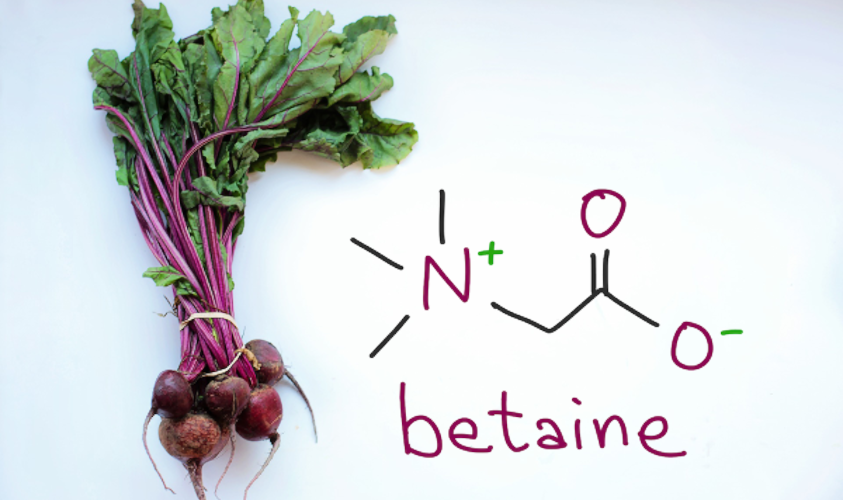
Boosting Betaine Levels To Beat Schizophrenia In Mice
Scientists in Japan found that the antioxidant properties of betaine make it an ideal candidate for the treatment of psychiatric symptoms.

Two Chinese Scientists Receive 2019 Alzheimer Awards
Professor Wang Yan-Jian and Dr. Bu Xian-Le were awarded for their work demonstrating that the gut microbiome influences the pathogenesis of Alzheimer's disease.

Scientists Can Now Edit Mitochondrial DNA In Plants
Researchers in Japan have devised a tool to edit plant mitochondrial DNA and develop new strains of crop plants.

Positioning Biotech Start-ups For Success
From sourcing for investments to commercializing products, a panel of experts shared their advice for biotech start-ups at A*STAR’s Drug Development Week.

One-Bead-One-Compound Strategy For Antibiotic Discovery
Researchers in Japan are combating the scourge of drug-resistant microbes by screening synthetic variants of a naturally-occurring antibiotic.

Watching A Baby Star Grow Up
Scientists in Japan observed that massive baby stars grow in the same way as their smaller counterparts.
Why Viruses Strike Some People But Not Others
Metabolic stress could explain why some people get sick from flaviviral infections such as dengue fever while others don’t.

How mTOR Modulates Muscle Memory
Scientists in China have identified a molecular pathway that links exercise and improved motor functions.

The ABCs Of Why Bats Rarely Get Cancer
The low incidence of cancer in bats can be attributed to high ABCB1 gene expression, according to research by scientists in Singapore.