


Asian Scientist Newsroom

ABOUT
Asian Scientist Magazine is an award-winning science and technology magazine that highlights R&D news stories from Asia to a global audience. The magazine is published by Singapore-headquartered Wildtype Media Group.
Stories by Asian Scientist Newsroom

300 Tons Of Radioactive Water Leak From TEPCO’s Fukushima Plant
Japan's nuclear regulators have raised the severity level of a radioactive water leak at the Fukushima plant from one to three on an international scale.

Genetic Link Between Alcohol Dependence And Eating Disorders
A study of almost 6,000 adult twins in Australia has found a genetic link between alcohol dependence and certain types of eating disorders.

Increased Eczema Risk For Cleaners
Researchers in New Zealand have found that eczema incidence among cleaners is nearly twice that of people not exposed to cleaning agents.

Exome Study Uncovers New Epilepsy Genes
Researchers have identified new genetic mutations that cause epilepsy, paving the way for better treatments of severe forms of epilepsy.

Your Eyes May Hold Clues To Stroke Risk
Photographing the retina may help detect which high blood pressure patients are more likely to have a stroke, according to a new study.

Spacecraft Can Now Use Pulsars To Navigate Their Way To Alpha Centauri
Scientists have devised a way for spacecraft to navigate themselves by using the small stars called pulsars.

Gene Involved In Cancer Affects Sperm’s Swimming Ability
A gene known to affect hormone action in breast and prostate cancer cells has been shown to have an impact on male fertility.

Water Filters Made From Plasma-Treated Carbon Nanotubes
Researchers have found that water purification membranes enhanced by plasma-treated carbon nanotubes are ideal for purifying briny water.
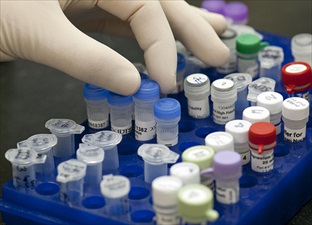
Gene That Links Obesity And Immunity Uncovered
Scientists from New Zealand and Australia have discovered a gene that links the immune system with obesity.