


Asian Scientist Newsroom

ABOUT
Asian Scientist Magazine is an award-winning science and technology magazine that highlights R&D news stories from Asia to a global audience. The magazine is published by Singapore-headquartered Wildtype Media Group.
Stories by Asian Scientist Newsroom

Asia’s Scientific Trailblazers: Catherine Ohura
Newly-appointed CEO of the Global Health Innovative Technology Fund Ms. Catherine Ohura outlines her plans and priorities for the organization.

Genomic Medicine Company Lucence Receives CLIA Certification (VIDEO)
The certification allows Lucence to acquire patient samples from the US for analysis using its liquid biopsy genomics platform.
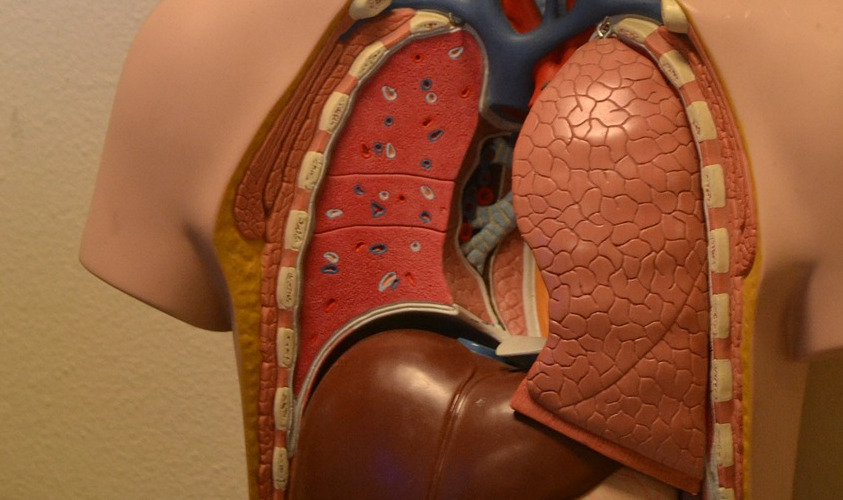
AstraZeneca’s Lung Cancer Drug Receives Regulatory Approval In China
Tagrisso, a small molecule inhibitor drug, has been approved in China as a first-line treatment for patients with non-small cell lung tumors bearing specific mutations.
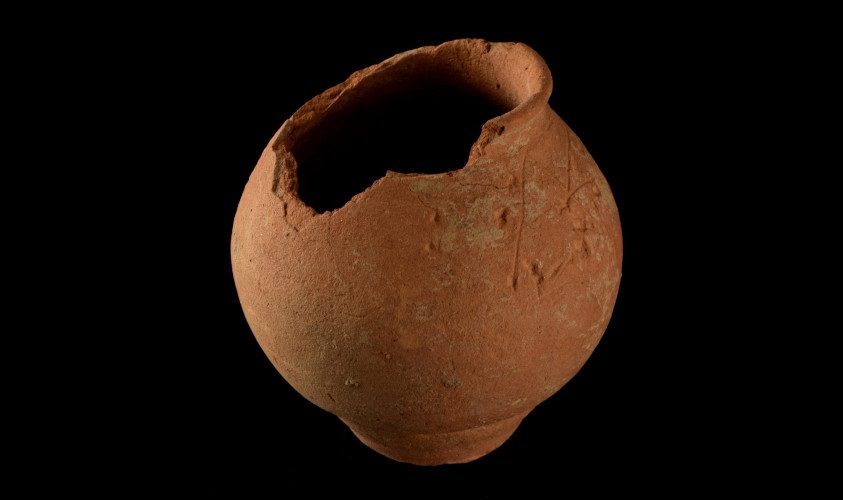
Ancient DNA Gives A Peek Into South Asian Ancestry
Researchers have sequenced millennia-old DNA from an individual belonging to the Indus Valley Civilization, showing that modern Indians are likely to have descended from this ancient culture.
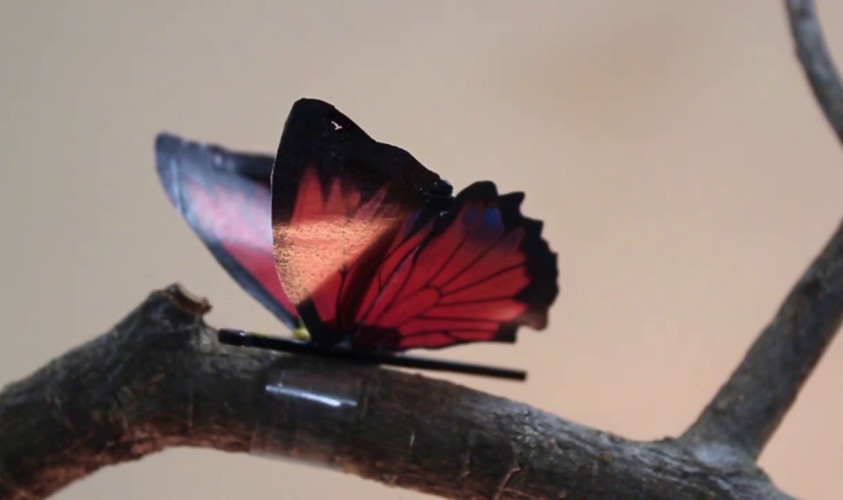
Robotic Muscles That Flex On Command
Researchers in South Korea have developed an ultrathin, artificial muscle for soft robotics.
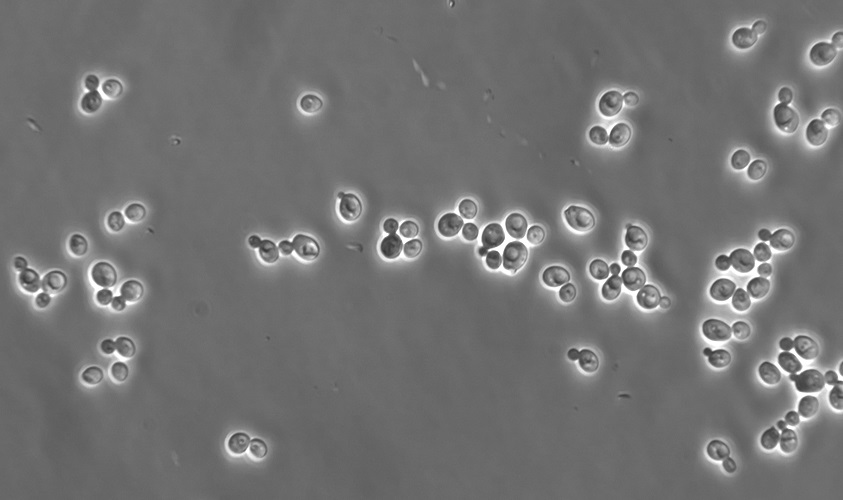
Engineering Yeast To Perform Green Chemistry
By genetically modifying yeast, a team of scientists in Japan has managed to produce 1,2,4-butanetriol in a more environmentally-friendly manner.

Chimps And Bonobos Track Eye Gaze Like Humans
Chimpanzees and bonobos share the contrasting color pattern seen in human eyes, which makes it easy for them to detect the direction of someone's gaze from a distance.

Scientists In Japan Uncover New Dinosaur Species
The researchers have named the duck-billed dinosaur Kamuysaurus japonicus, or the deity of Japanese dinosaurs.

Understanding Southeast Asians’ Attitudes Towards Antibiotics
UK scientists report that awareness of drug resistance in Thailand and Laos is similar to that of many industrialized countries, but this does not translate to more stringent antibiotic use.