


Asian Scientist Newsroom

ABOUT
Asian Scientist Magazine is an award-winning science and technology magazine that highlights R&D news stories from Asia to a global audience. The magazine is published by Singapore-headquartered Wildtype Media Group.
Stories by Asian Scientist Newsroom

Two Mouse Models To Study Alzheimer’s Disease
Research in Alzheimer's disease could be accelerated with the use two new mice models that realistically model the disease in humans.
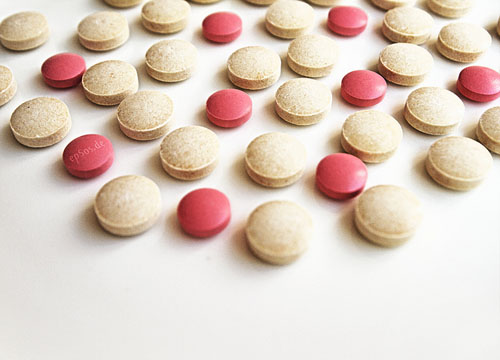
Lonza Singapore Receives GMP Certification
The GMP certification from the Singapore Health Science Authority allows Lonza to contract manufacture products for use in the United States and Europe.
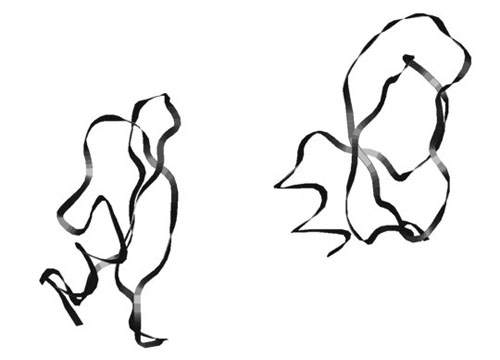
Scientists Discover Role Of APP In The Brain
Usually associated with Alzheimer's disease, scientists have found that the protein APP controls the growth of new brain cells via a target known as microRNA-574-5p.
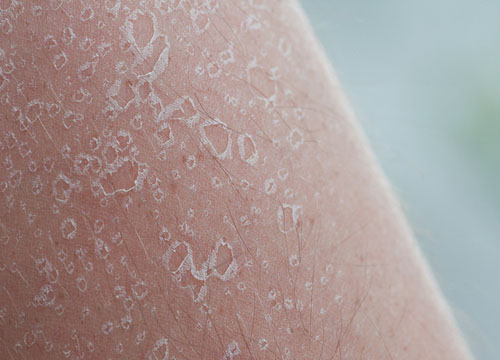
Vaccine Could Prolong Melanoma Patient Survival
A ten-year study shows that a vaccine called vaccina melanoma cell lysate could help prolong the lives of late stage skin cancer patients.
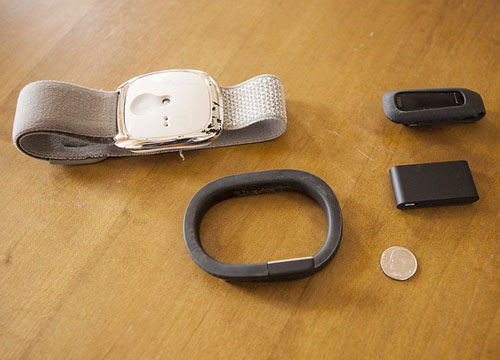
Ineda Raises US$17 Million To Develop Chips For Wearable Devices
The Series B funding will be used to develop Ineda's ultra-low power and high performance semiconductors for the wearable device market.
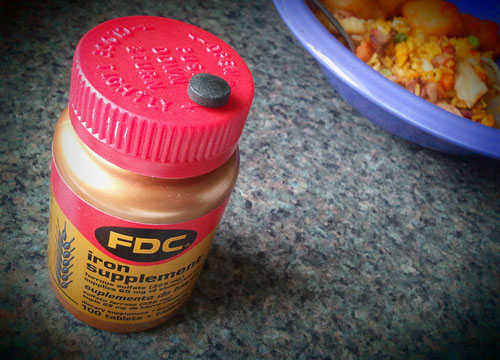
Iron Supplements Could Help Female Athletes
A review of past studies found that iron supplements improved women's exercise performance.

Samsung Researchers Develop Method For Large-Scale Graphene Production
Armed with a new method of synthesis which facilitates large scale production, Samsung could use graphene in place of silicon for semiconductors in the future.

Aegerion Conducts Phase III Trial For Anti-Cholesterol Drug
The clinical trial will test the efficacy of lomitapide as an adjunct treatment to reduce low-density lipoprotein cholesterol (LDL-C) in patients suffering from homozygous familial hypercholesterolemia.
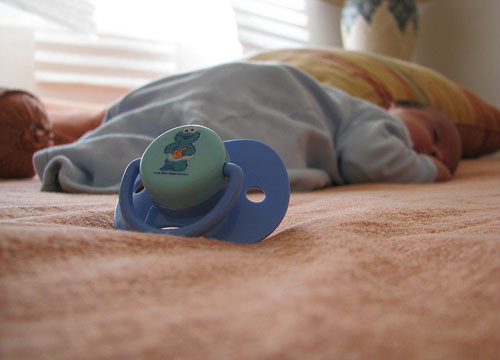
Sudden Death In Babies Linked To Lack Of Oxygen
The staining patterns of B-amyloid precursor protein in the brains of sudden infant death syndrome babies is similar to those who died of accidental asphyxiation.