


Asian Scientist Newsroom

ABOUT
Asian Scientist Magazine is an award-winning science and technology magazine that highlights R&D news stories from Asia to a global audience. The magazine is published by Singapore-headquartered Wildtype Media Group.
Stories by Asian Scientist Newsroom

The Water Doctor (VIDEO)
Fatehah Mohd Omar, lecturer and researcher at the University of Science in Malaysia, explains how she is collaborating with industries and local communities to keep rivers in Malaysia clean.

Novel Membranes For Better Wastewater Treatment
A collaboration between the Singapore Institute of Technology and local startup SideStroem Water Technologies aims to optimize lab-scale nanofiltration-type forward osmosis membranes for industrial water recycling.

Unlocking Trust With Open Science Communication
At the Global Young Scientists Summit held earlier this year in Singapore, three distinguished speakers encouraged an audience of young researchers to communicate honestly, passionately and with an open mind.

Poor Oral Health May Harm Your Heart
Research from Japan suggests that people who suffer from periodontitis, a gum infection, could also suffer from poor heart health.

Bolstering Healthcare Leadership
A ‘double crown’ accredited Australian business school launches a new master’s degree in Singapore to develop the next generation of healthcare leaders, policymakers, managers, analysts and economists.

Human Activities Are Changing Forest Structure
Research from China shows that increasing anthropogenic activities are altering the density of forests in protected areas and intact forest landscapes globally.

AI Can’t Match Human Originality In Fashion Design
AI could help designers in their creative process by taking care of repetitive tasks, allowing more time for them to engage in complex and original thinking.
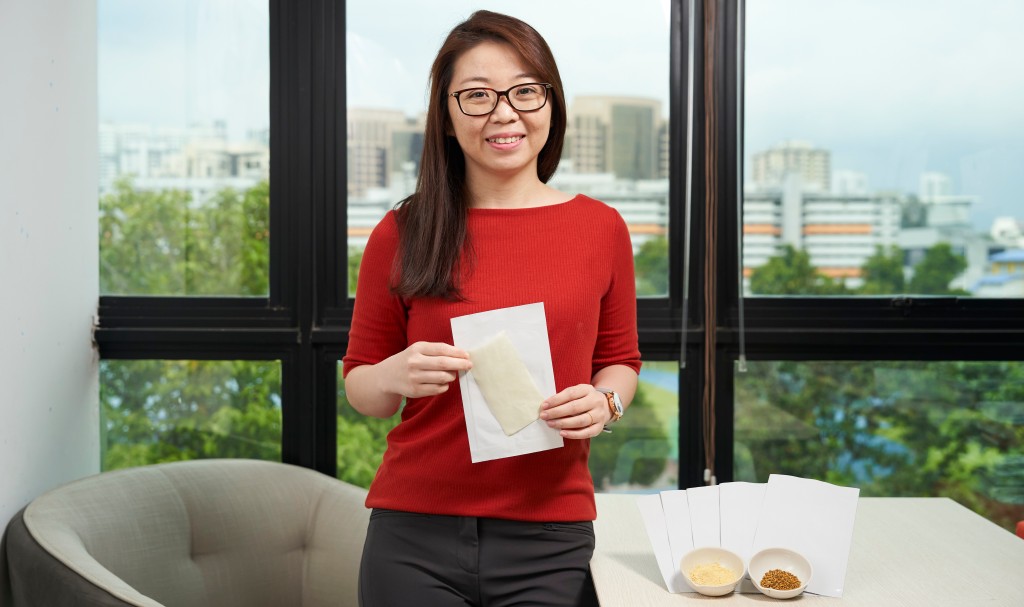
Tapping Into Nature To Address Peritoneal Adhesion
Using pollen grains, the Singapore Institute of Technology (SIT) and local startup Sporogenics have teamed up to develop a hydrogel film with superior properties to prevent this post-surgery complication.

Husbands Do Fewer Family Tasks When Wives Work From Home
Studies in China and South Korea suggest that cultural gender differences continue to influence how heterosexual couples experience work-from-home.