


Asian Scientist Newsroom

ABOUT
Asian Scientist Magazine is an award-winning science and technology magazine that highlights R&D news stories from Asia to a global audience. The magazine is published by Singapore-headquartered Wildtype Media Group.
Stories by Asian Scientist Newsroom
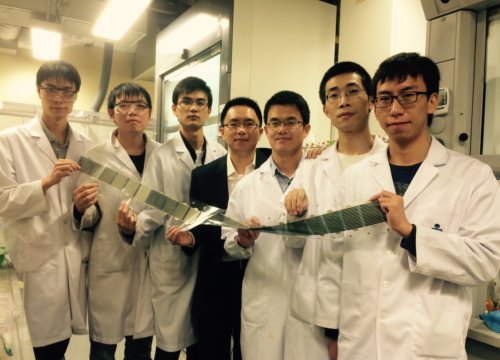
New Materials Reach Record Efficiencies
Affordable and efficient solar power is now one step closer to reality with the ability to control polymer morphology via temperature.

How Do Cells Measure Length?
Scientists have identified the protein complex that cells use as a molecular ruler to measure lengths with nanometer precision.

Still Single? Your Genes Might Play A Part
A mutation in the serotonin receptor gene 5-HT1A could influence a person's romantic prospects, study says.

Robot-Assisted Stroke Rehabilitation
A robotic walker could help patients recover after a stroke and free physiotherapists to provide more value-added services.

Bee Brains Offer Insight Into Memory Formation
A study of bee brains has revealed that microRNAs targeting the structural protein actin are crucial in memory regulation.

Two-In-One Cancer Biomarker
A biomarker which can also deliver drugs could open new doors in cancer therapeutics.
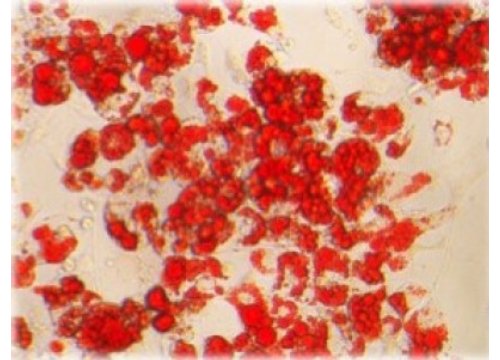
‘Good Fat’ Could Help Manage Diabetes
Activating brown fat cells could help Type 2 diabetics manage their condition by increasing the number of glucose transporters.

Ke Yang Elected To Institute Of Medicine
Peking Professor Ke Yang has been elected as a foreign member of the US National Academies Institute of Medicine.

Moving From Panic To Avoidance
Brain activity in a region known as the habenula is required for learning to avoid threatening situations in zebrafish.