


Asian Scientist Newsroom

ABOUT
Asian Scientist Magazine is an award-winning science and technology magazine that highlights R&D news stories from Asia to a global audience. The magazine is published by Singapore-headquartered Wildtype Media Group.
Stories by Asian Scientist Newsroom

Chromatin Structure Affects Brown Fat Regulation
Researchers have identified JMJD1A as a signal-sensing scaffold that activates thermogenic genes in mice.

A Nanotech Solution For Detecting Emissions
The nanoparticle deposition system can be engineered to detect multiple kinds of gases and is easy to miniaturize and mass produce.

Sun-Like Stars Emit Huge Superflares
The finding that Sun-like stars release superflares raises the possibility that the Sun might cause geomagentic storms on Earth.

Neutrophils Discriminate Between Infected & Sterile Injuries
A new technique to label neutrophils shows that they re-locate to the lymph nodes and activate adaptive immunity only if bacteria are present at the site of injury.
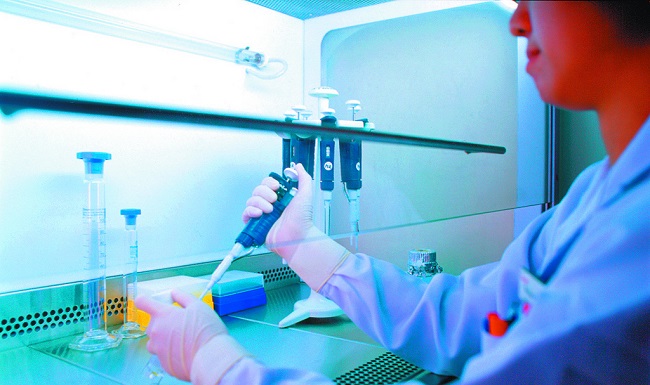
Generon’s Recombinant IL-22 Receives US FDA Clearance For Phase IIa Trials
Following a successful Phase I study, Generon is moving its recombinant antibody F-652 to Phase IIa trials in collaboration with the Memorial Sloan-Kettering Cancer Center.

Rats Lend Drowning Friends A Paw
Rats will help drowning cagemates, especially if they have been soaked before themselves, study says.

Glaucoma In Singapore: Steady But Often Undiagnosed
Although the prevalence of glaucoma in Singapore has not changed over the last decade, a high proportion of previously undiagnosed disease suggests a need for greater public awareness.

Germination Can Make Buckwheat More Nutritious
Germinated buckwheat has a better nutritional profile and antioxidant content than ungerminated buckwheat, scientists say.

Monkeys Use Stone Tools To Crack Shellfish
Most Burmese long-tailed macaques are able to use stone tools to crack open shellfish, study shows.